What the trade papers reported
Box Office Digest followed the picture while it was being made. One item in the paper’s 1946 volume reported Albert Dekker (printed as “Alfred Dekker”) and O’Brien as recent additions by Mark Hellinger to the cast. The paper’s Universal production chart listed The Killers as in production, with Hellinger producing, Siodmak directing, Gardner and Lancaster as the stars, and Dekker and “Edmund O’Brien” featured. The same column reported that Hellinger would borrow Sonny Tufts from Paramount, and its chart listed Tufts and Ann Blyth in another Hellinger project, Swell Guy, then in preparation. Siodmak’s The Dark Mirror appeared in the same issue’s charts as a picture still in the cutting room.
Film Daily’s review gave the running time as 105 minutes. The reviewer wrote that if anyone had ever doubted Siodmak’s standing among Hollywood’s leading directors, this picture settled the matter. He also credited Hellinger, saying the producer had Anthony Veiller turn Hemingway’s story into “a screen masterpiece.” The heading put Lancaster last among the names, and the text called him “a screen unknown” whose contract Hellinger shared with Hal Wallis. The review noted that McGraw and Conrad were new to pictures and that Vince Barnett, a comedian for years, had been handed a different kind of part.
O’Brien and Levene, the same review said, came back to the screen with “telling performances,” while Dekker, Gardner, Jack Lambert and Jeff Corey were named important principals. It singled out Woody Bredell’s camerawork and Miklós Rózsa’s score, rated the direction “Splendid” and the photography “Very Good.” Its plot summary put the payroll robbery at $250,000. In the film, by the Wikipedia plot account, the gang’s haul comes to $254,912.
Canadian critics ranked it highly. In the 1946 critics’ poll Canadian Film Weekly printed on March 26, 1947, The Killers made the list of the 10 best films of the year. It was the only Universal picture there, in company with Henry the Fifth, Brief Encounter, Spellbound and The Lost Weekend.
The reviews
The American reviews at the time were mixed, by the film’s Wikipedia account. Bosley Crowther of The New York Times praised the cast. He found Lancaster “lanky and wistful” and Gardner “sultry and sardonic,” called O’Brien “cool and clipped” and Levene “very good,” and described Dekker as a “thoroughly nasty thug.” He judged the pace slow and metronomic, better at building suspense than excitement. James Agee, writing in The Nation in 1946, said Hemingway’s dialogue sounded stilted and contrived on screen and that nothing about the picture was unique. He credited Siodmak’s handling and Hellinger’s producing, and still called the result “good entertainment.”
Later accounts
Later critics went further. Reviewing the DVD in 2003, Scott Tobias praised the opening taken from Hemingway but called the rest of Veiller’s screenplay mediocre, and found Gardner “memorably sultry and duplicitous.” Eddie Muller put the film among his Top 25 noir films and called it “The Citizen Kane of crime movies,” and he has shown it on Turner Classic Movies’ Noir Alley. Jonathan Lethem drew a similar comparison in a 2003 essay. Rotten Tomatoes reports a 97% approval rating from 35 reviews.
Hemingway’s biographer Carlos Baker, in Ernest Hemingway: A Life Story (1972), wrote that this was the first adaptation of his work that Hemingway could truly admire. Hemingway’s own verdict was shorter: a good picture, and the only one ever made from a story of his.
The script
Hellinger made The Killers as his first independent production, and he paid $36,750 for the screen rights to Hemingway’s story. Richard Brooks, then a contract writer for Hellinger, rewrote the first draft, and Veiller and John Huston then reworked it heavily. Only Veiller is credited, because Huston was under contract to Warner Bros. Siodmak later said Hellinger’s newspaper background made him want every scene to close on a punchline and every character introduced with a telling remark. Siodmak said he resisted this.
Casting the Swede
Hellinger reportedly wanted unknowns in two or three of the parts. His reasoning was that audiences would read the threat in a familiar face at once, which would drain the suspense. He later said Lancaster was not his first choice for the Swede, but Warner Bros. would not lend him Wayne Morris. Van Heflin, Jon Hall and Tufts were also considered, and so was O’Brien, who ended up as Riordan. Hellinger joked that he tested so many Swedes he would have tested Greta Garbo had anyone suggested her.
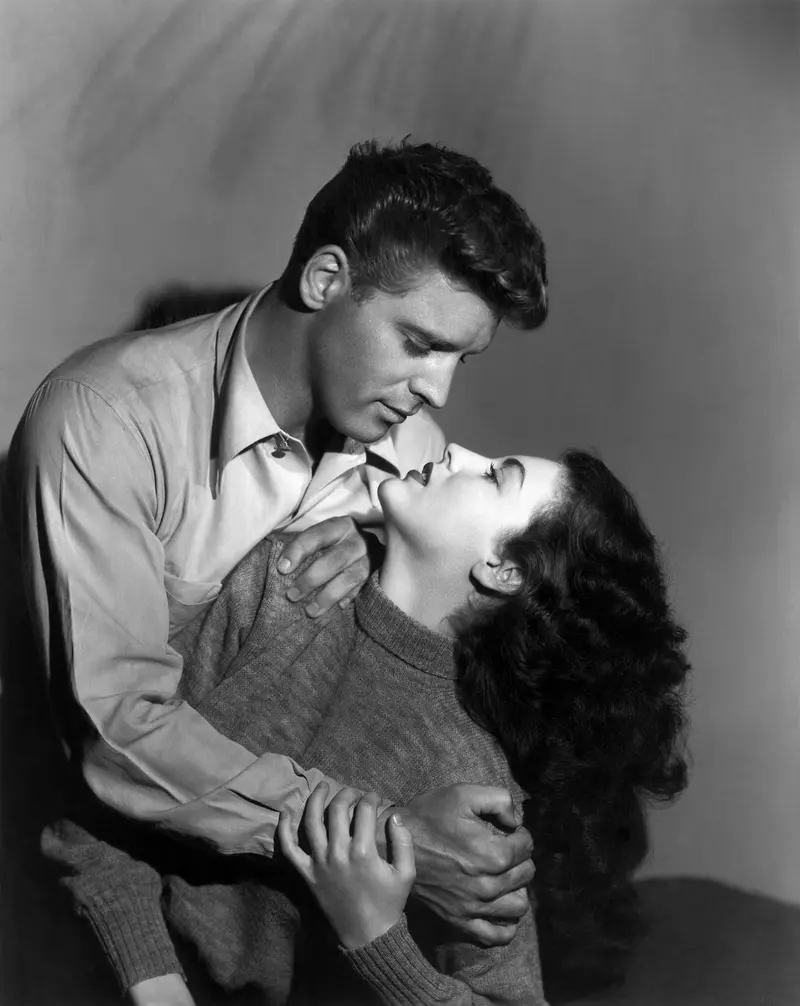
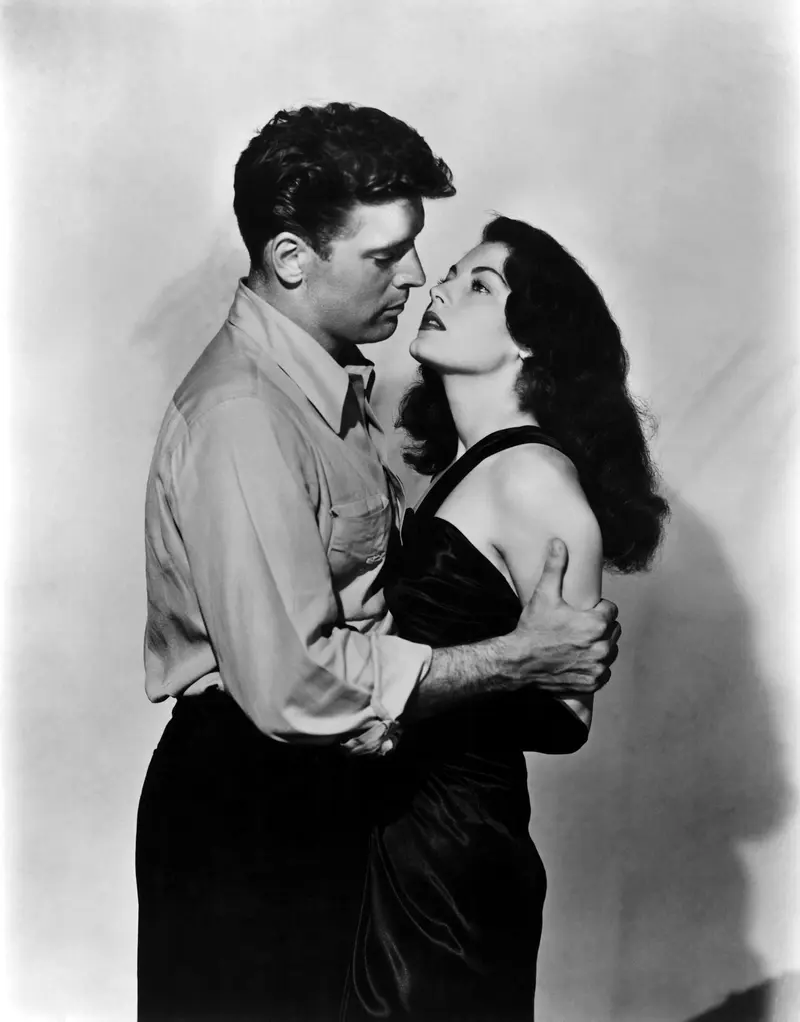
Lancaster had come out of the Army and a three-week Broadway run in A Sound of Hunting (1945), and he was under contract to producer Hal B. Wallis without yet having appeared on screen. Martin Jurow, Wallis’s assistant, told Hellinger about a “big brawny bird” who might do. After a screen test, Hellinger signed him to one film a year. The film’s Wikipedia entry calls it Lancaster’s debut. His own entry adds that he had already shot Desert Fury for Wallis, billed after John Hodiak and Lizabeth Scott, but The Killers was finished and released first. Hellinger used him again in Brute Force (1947), and those were the only two Lancaster films Hellinger produced. Criss Cross (1949), another noir Lancaster made with Siodmak, was first meant to be a Hellinger production, but Hellinger died and someone else took it over.
Gardner as Kitty
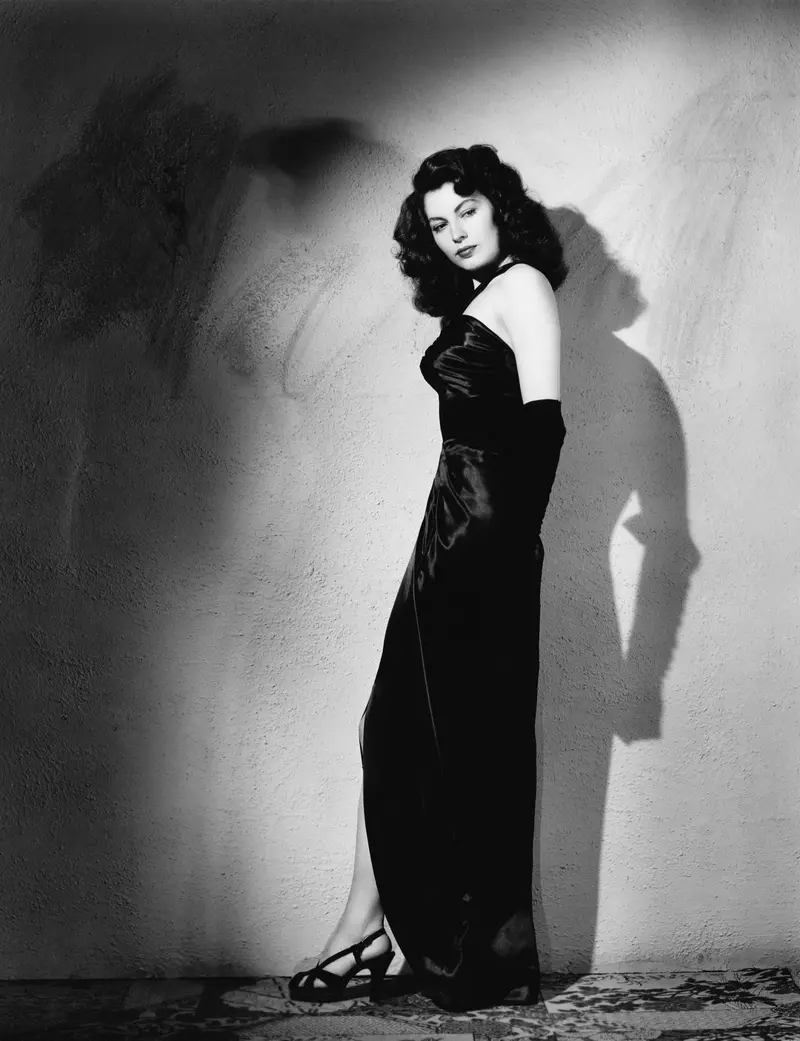
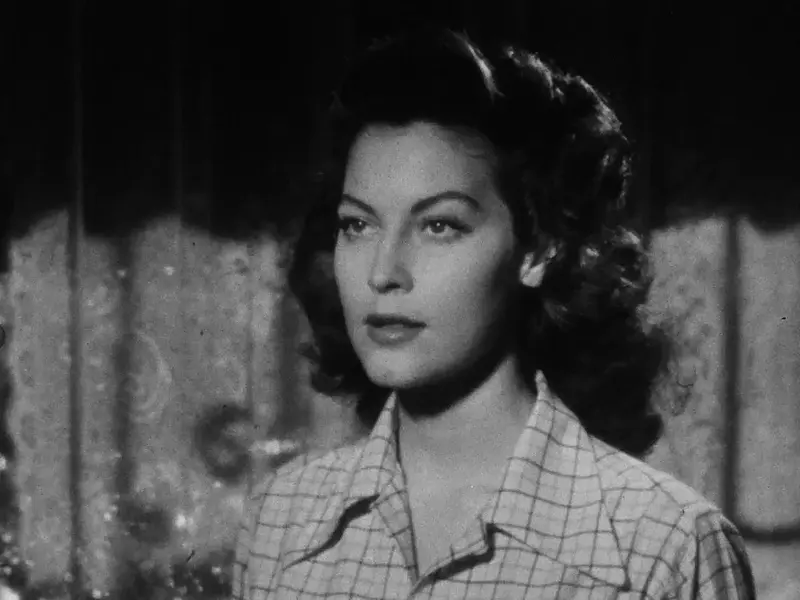
Gardner had signed with MGM in 1941, and after 15 bit parts she received her first screen billing in Ghosts on the Loose (1943). Her Wikipedia entry counts five years of small parts in all, largely at MGM and often uncredited, before The Killers. Hellinger cast her as Kitty. The breakdown at the end, when Lubinsky tells Kitty, “Don’t ask a dying man to lie his soul into Hell,” gave her trouble. Siodmak judged that she lacked the technique to get there, so he pushed her by shouting at her and threatening to hit her if she got it wrong. Her reviews were good, but her confidence was fragile. Actress Arlene Dahl recalled that Gardner was too frightened of running into Lana Turner and Greer Garson to eat in the MGM commissary.
Her major roles followed in the 1950s, among them Show Boat, Pandora and the Flying Dutchman, The Snows of Kilimanjaro, Mogambo and The Barefoot Contessa. She worked with Lancaster again in Seven Days in May (1964), playing a former love interest of his character. The full arc is on the Ava Gardner page, and her own account, Ava: My Story, was published by Random House in 1990.
Two articles here take up what the part did for her. How Ava Gardner and Frank Sinatra met cites Bryan Mims in Our State, who writes that the film made her a box-office go-to girl, which was her standing in the years before the affair with Sinatra began. How Ava Gardner’s character dies in The Barefoot Contessa notes that playing opposite Lancaster here brought her wide notice, and that afterward she was known as a movie star and a sex symbol.
O’Brien as Riordan
O’Brien served in the Army Air Forces during the war and spent two years touring in the Air Forces’ stage show Winged Victory. Riordan was his return to the screen, at Universal. His Wikipedia entry spells the name Reardon. The film’s entry spells it Riordan, and that spelling is used here. From February 3, 1950, to October 3, 1952, he played the title role in Yours Truly, Johnny Dollar, a CBS radio series about a tough insurance investigator, across 103 half-hour episodes.
Prizes and later lives
Siodmak was nominated for Best Director, Arthur Hilton for editing, Rózsa for the score and Veiller for the adapted screenplay. The Mystery Writers of America gave the film an Edgar Award in 1947. The Library of Congress added it to the National Film Registry in 2008, and in July 2018 it screened in the Venice Classics section of the 75th Venice International Film Festival.
The story kept being retold. Lancaster, Shelley Winters and Conrad did a half-hour radio version on Screen Directors Playhouse on June 5, 1949. Don Siegel’s 1964 version made the hitmen, played by Lee Marvin and Clu Gulager, the protagonists, and cast Angie Dickinson, John Cassavetes and Ronald Reagan. It was made for television but judged too violent for it, and went to theaters, first in Europe and years later in America. Carl Reiner cut scenes from the 1946 film into his Steve Martin spoof Dead Men Don’t Wear Plaid (1982). In 2016 Andrew Kevin Walker, the writer of Seven, announced that he had written a screenplay for a new adaptation.