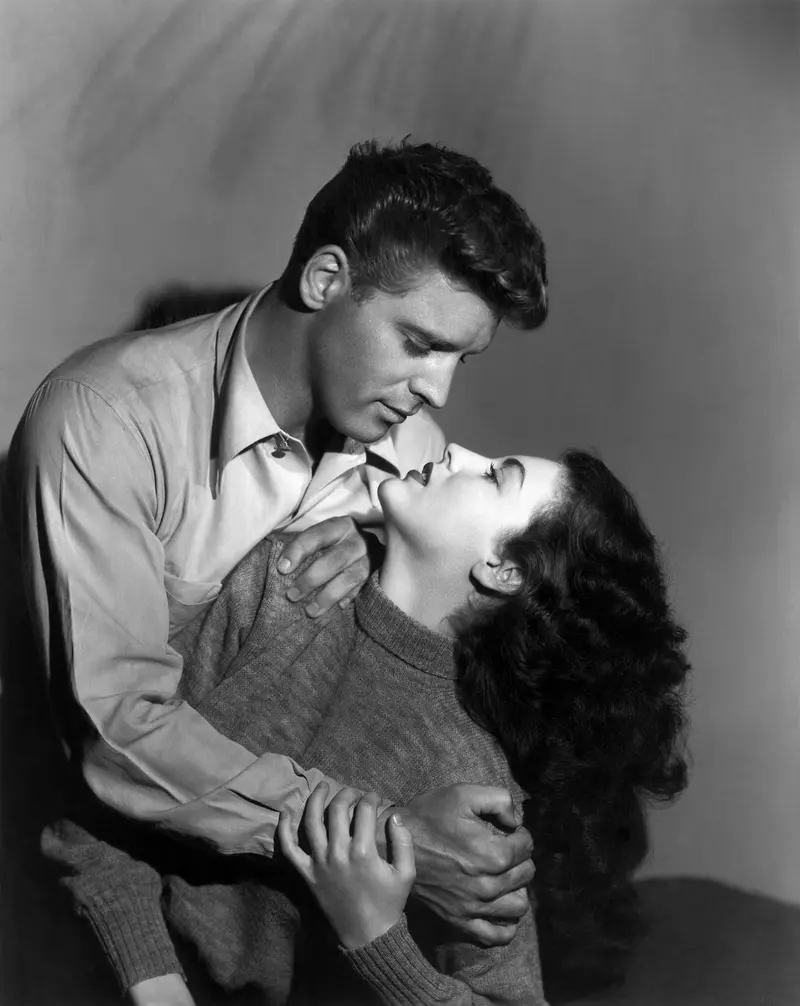
The Killers
Robert Siodmak 1946
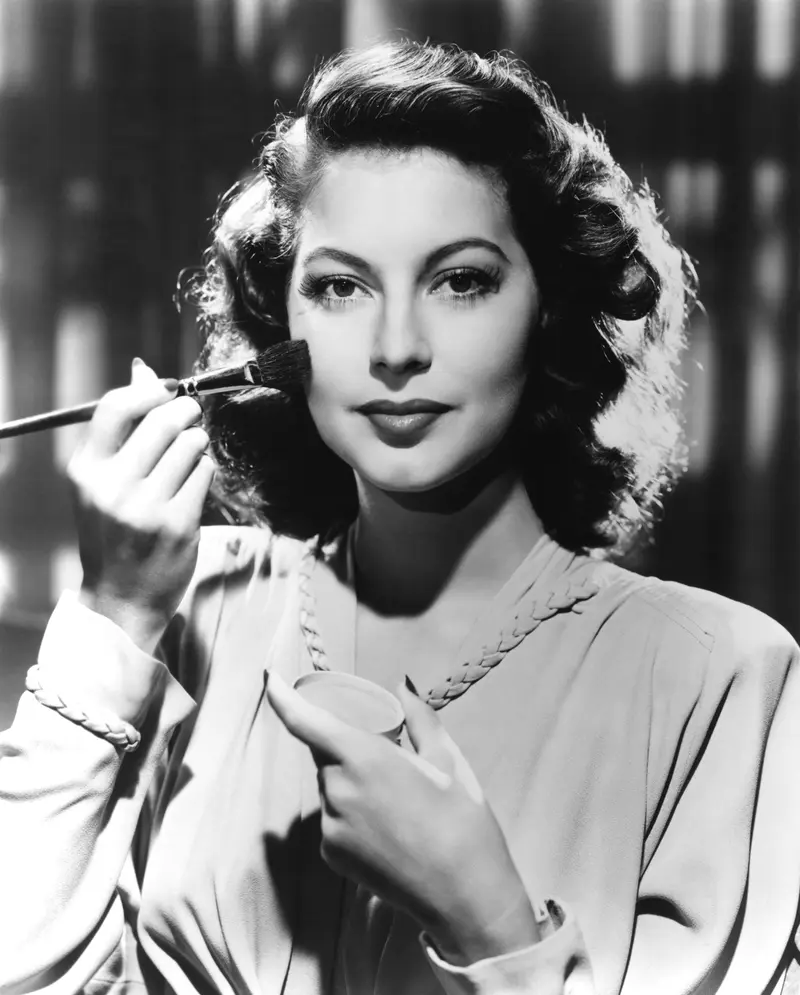
Actress1922–1990
Ava Gardner (December 24, 1922, to January 25, 1990) was an American actress, and most of the period record of her career concerns three films. In 1946 Film Daily named her among the principals of Robert Siodmak’s The Killers. John Ford’s Mogambo (1953) brought her a Best Actress Oscar nomination. John Huston’s The Night of the Iguana (1964), her last major lead, brought Golden Globe and BAFTA nominations. She married Mickey Rooney, then Artie Shaw, then Frank Sinatra, her husband from 1951 to 1957. In 1999 the American Film Institute put her at No. 25 on its list of the greatest female screen legends.
On 25 Sep 1946 the Canadian Film Weekly reprinted Film Daily’s review of The Killers under the verdict “ace drama brilliantly directed and admirably played”. Most of the credit went to Siodmak and to the producer Mark Hellinger, who had the writer Anthony Veiller build the script from Ernest Hemingway’s short story, and the reviewer singled out Burt Lancaster as a screen unknown. Gardner was grouped with Albert Dekker, Jack Lambert and Jeff Corey as “important principals”. In the review’s synopsis, Edmond O’Brien’s insurance investigator finds that Dekker and Gardner had worked together to dupe Lancaster’s ex-prizefighter. Later accounts name her character Kitty Collins, a femme fatale, and say the part followed five years of bit parts, mostly at MGM and many uncredited; the studio had signed her in 1941.
The Canadian Moving Picture Digest of 16 Jan 1954 covered the awards season for Mogambo. It reported that the New York critics had chosen Audrey Hepburn as best actress for Roman Holiday, and it listed Gardner, for Mogambo, among her rivals, with Anna Magnani, Jean Simmons, Leslie Caron and Colette Marchand. The paper’s columnist put her Mogambo work among the year’s “surprise performances of exceptional quality”, a list that also held Sinatra in From Here to Eternity. The Toronto listings in that issue had Mogambo at the Nortown, billed with Clark Gable and Ava Gardner. An MGM advertisement in the same issue gave Robert Taylor and Gardner star billing in Knights of the Round Table, in which she played Guinevere. The ad claimed the picture had topped the original release of Ivanhoe by 32% and of Quo Vadis by 22%, and it quoted Variety: “King size all the way.”
The Canadian Film Weekly of 2 Sep 1964 reprinted Film Daily’s review of The Night of the Iguana, rated it “major boxoffice fare” and credited the whole cast and Huston’s “perceptive direction”. Gardner played the aging, fiery keeper of a remote, crumbling jungle hotel, who kept two native beachboys there as playthings; Richard Burton played the defrocked minister at the center of the story. Later accounts add that she was billed below Burton and above Deborah Kerr, and that Huston shot the film in black-and-white in Puerto Vallarta, Mexico, a choice he later regretted because the plants there were so brightly colored.
Soon after she reached Los Angeles she met Rooney, a fellow MGM contract player and the top box-office draw of 1939, 1940 and 1941. They married on January 10, 1942, when she was 19, in the remote town of Ballard, California. Louis B. Mayer chose the place because he feared fans would desert the Andy Hardy pictures if they learned their star had married. She divorced Rooney in 1943 on grounds of mental cruelty, privately blamed his gambling and womanizing, and left his clean-cut screen image undamaged. Her marriage to the bandleader Artie Shaw lasted from 1945 to 1946. Shaw called himself a “very difficult man” and married eight times, Lana Turner among the wives before Gardner, and Turner and Gardner both later said he had been extremely emotionally abusive.
Sinatra left his wife Nancy for her. The press reported the affair in February 1950, while his career was in decline, and Hedda Hopper, Louella Parsons, the Hollywood establishment, the Catholic Church and his own fans criticized him. How Ava Gardner and Frank Sinatra met traces their first meeting to a club in 1943, when she was there with Rooney, and dates the affair from six years later, after they met again at MGM. Gardner used her influence, especially with Harry Cohn, to get Sinatra cast in From Here to Eternity, and his Oscar-winning part revived both his acting and his singing. Why Ava Gardner left Frank Sinatra in 1953 argues that she carried him through his worst years with her money and influence, then left within three months of his return. It gives two reasons: success had made him arrogant again, and one phone call.
The marriage was stormy. She became pregnant twice and aborted both pregnancies, and her autobiography says MGM “had all sorts of penalty clauses” covering stars who had babies. She filed for divorce in 1954, and it became final in 1957. In the same book she called Sinatra the love of her life, and the two stayed good friends until she died. She wrote that Howard Hughes moved in and out of her life for about 20 years but that she never loved him, and she called him “painfully shy, completely enigmatic”. She also had affairs with the matador Luis Miguel Dominguín, the actor George C. Scott and Claude Terrail, who ran La Tour d’Argent in Paris.
The account of how MGM found her begins in the summer of 1940, when she was visiting her sister in New York. Her brother-in-law, a photographer, took her portrait and put it in the window of his Fifth Avenue studio. Barnard Duhan, a legal clerk at Loews Theatres who sometimes posed as an MGM talent scout, saw it and remarked that someone should send her details to MGM, and her brother-in-law did. Al Altman of MGM’s New York talent department filmed her walking, turning and arranging flowers, but recorded no sound because he could barely follow her Southern accent. Mayer is said to have replied by telegram: “She can’t sing. She can’t act. She can’t talk. She’s terrific!” The sources give the telegram only as something he purportedly sent, and it cannot be confirmed.
She had grown up in Grabtown, North Carolina, the youngest of seven children, in a family that lost its property in the Depression. She and her friend Alberta Cooney both remembered her liking for going barefoot, and that habit helped decide her to play Maria Vargas in Joseph L. Mankiewicz’s The Barefoot Contessa (1954). How Ava Gardner’s character dies in The Barefoot Contessa, and how Gardner herself died in 1990 explains that Maria is murdered by her jealous husband, and adds that the rain at Gardner’s funeral reminded some mourners of the film.
At MGM she had a speech coach for her drawl and Harriet Lee as her singing teacher. She made her feature debut as a walk-on in We Were Dancing (1942), and fifteen bit parts later she received her first screen billing, in Ghosts on the Loose (1943). The actress Arlene Dahl later recalled that Gardner was too frightened to eat in the commissary in case she ran into Lana Turner or Greer Garson. Of Ford, her director on Mogambo, Gardner said: “The meanest man on earth. Thoroughly evil. Adored him!” In 1966 she briefly sought the part of Mrs. Robinson in The Graduate. Mike Nichols never seriously considered her, since she was 44 and he wanted a younger actress, but he visited her hotel and later recalled her opening line: “First of all, I strip for nobody.”
Gregory Peck made three films with her, beginning with The Great Sinner (1949), and they stayed friends until she died. In a 1964 interview she said that Huston, who cast her as Sarah in The Bible: In the Beginning… (1966), “had more faith in me than I did myself.” She acted regularly until 1986, and her last appearance was in that year’s television film Maggie.
Late in life she asked Peter Evans to ghostwrite her autobiography, and she gave her reason: “I either write the book or sell the jewels.” The friendship cooled when she learned that Sinatra had once sued Evans, along with the BBC, and Evans left the project. His notes and draft pages were published after his death in 2012 as Ava Gardner: The Secret Conversations. Her own book, Ava: My Story, came out eight months after she died. She had been raised Baptist, and she gave up religion after the preacher who had baptized her never came to see her dying father: “I had no time for religion after that.” She was a lifelong Democrat who backed Henry Wallace’s 1948 campaign for desegregation and Adlai Stevenson in 1952, and she joined the NAACP in August 1968. Her assistant, Rene Jordan, was African American, and Gardner often took her into clubs that admitted only white customers.
She spent the last 35 years of her life abroad. She first went to Spain in 1950, settled in Madrid in 1955 and moved to London in 1966, the year she had an elective hysterectomy because she feared the uterine cancer that had killed her mother. Her final home was 34 Ennismore Gardens in Knightsbridge. After her stroke in 1986 she could pay her own medical bills, but Sinatra wanted to pay for her to see a specialist in the United States, and she let him arrange a medically staffed private plane. She died of bronchopneumonia in Westminster on January 25, 1990, at 67, and on January 29 she was buried in Sunset Memorial Park in Smithfield, North Carolina, near her parents, Jonas and Molly. Peck took in her housekeeper and her dog. Marcia Gay Harden played her in the 1992 miniseries Sinatra, Kate Beckinsale in The Aviator (2004) and Debi Mazar in the Spanish series Arde Madrid (2018).
Start with The Killers, then Mogambo and The Night of the Iguana. Her other films with pages here include Show Boat and Pandora and the Flying Dutchman (both 1951), Henry King’s The Snows of Kilimanjaro and The Sun Also Rises, George Cukor’s Bhowani Junction, Stanley Kramer’s On the Beach with Peck and Fred Astaire, and 55 Days at Peking.
For her own account, read the memoir Ava (1990). The biographies include Charles Higham’s Ava (1974), Lee Server’s Ava Gardner (2006), Peter Evans’s Ava Gardner (2013) and Kendra Bean’s Ava (2017). Jane Ellen Wayne’s Ava’s Men covers her private life, and Thomas Dunne Books published John Joseph Brady’s Frank & Ava, a biography, in 2015. Greenwood Press published Karin J. Fowler’s bio-bibliography in 1990.
Ava Gardner appears in the record of Sinatra’s last years. Wikipedia states that after her 1986 stroke he arranged and offered to pay for a private plane with medical staff to take her to a specialist.
Article How Frank Sinatra died in 1998
Ava Gardner lived at 34 Ennismore Gardens in Knightsbridge. She moved to London from Madrid in 1966, and that address was still her home when she died in Westminster on January 25, 1990.
Yes, as far as the record goes. Gregory Peck stayed her friend for life and took in her housekeeper and dog when she died, and she often took her African American assistant, Rene Jordan, into clubs that admitted only white customers. Off camera she was described as witty and pithy.
Ava Gardner died of bronchopneumonia on January 25, 1990, in Westminster, London, at 67. She had suffered a stroke in 1986, and she was buried on January 29 in Sunset Memorial Park in Smithfield, North Carolina.
Yes. Sinatra was her third husband, from 1951 to 1957; she filed for divorce in 1954 and it became final in 1957. Her autobiography calls him the love of her life, and the two stayed good friends until she died.
Robert Siodmak 1946
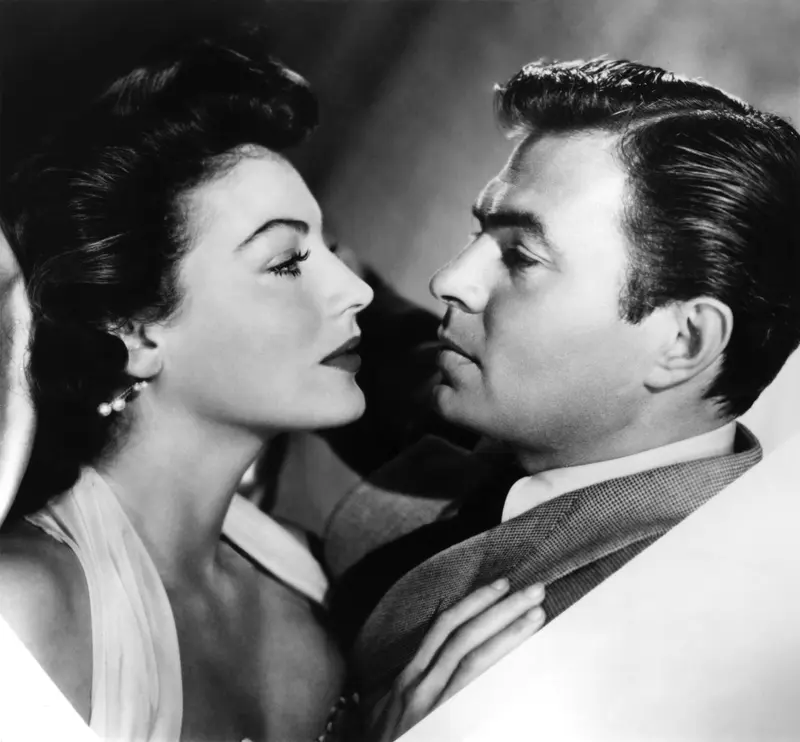
Albert Lewin 1951
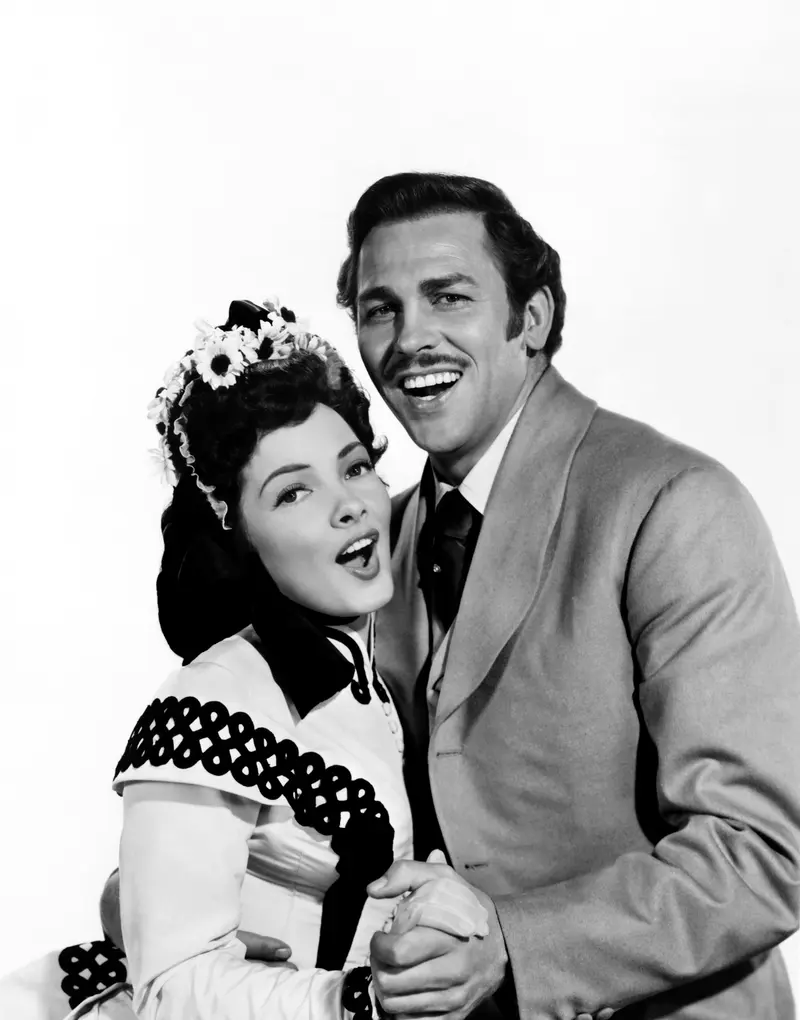
George Sidney 1951
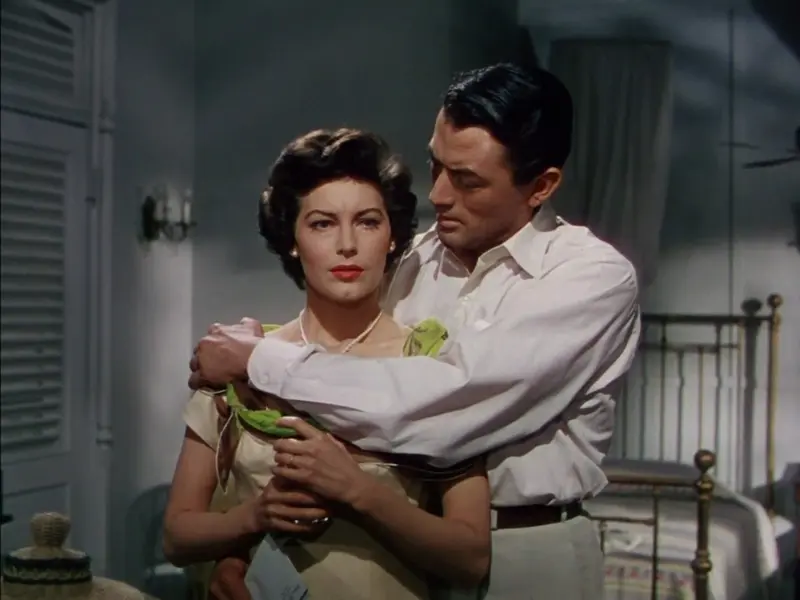
Henry King 1952
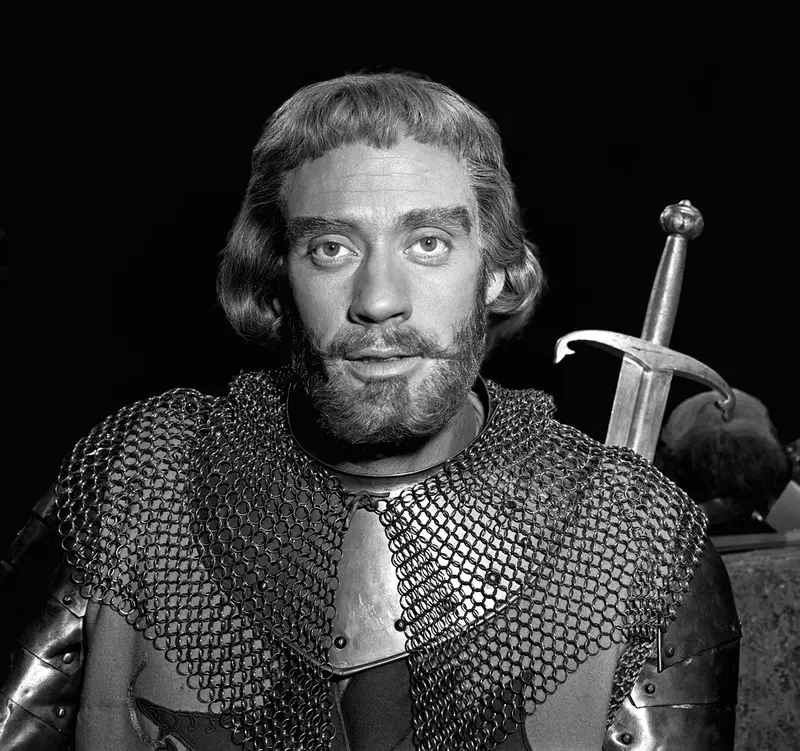
Richard Thorpe 1953
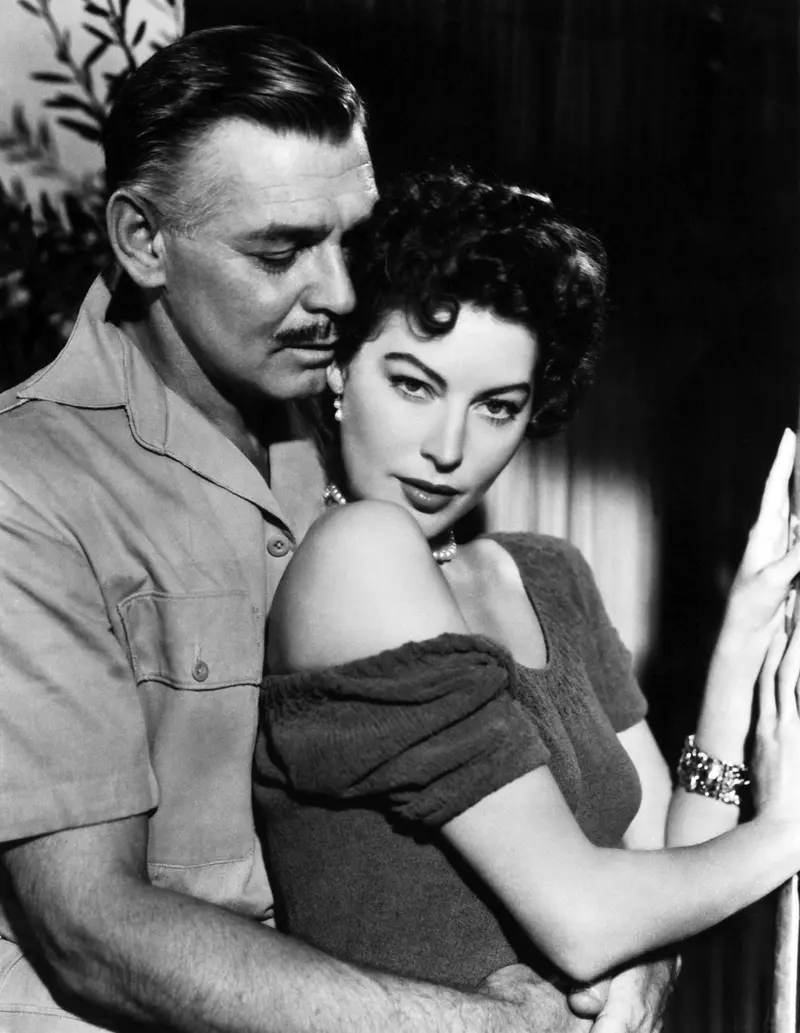
John Ford 1953
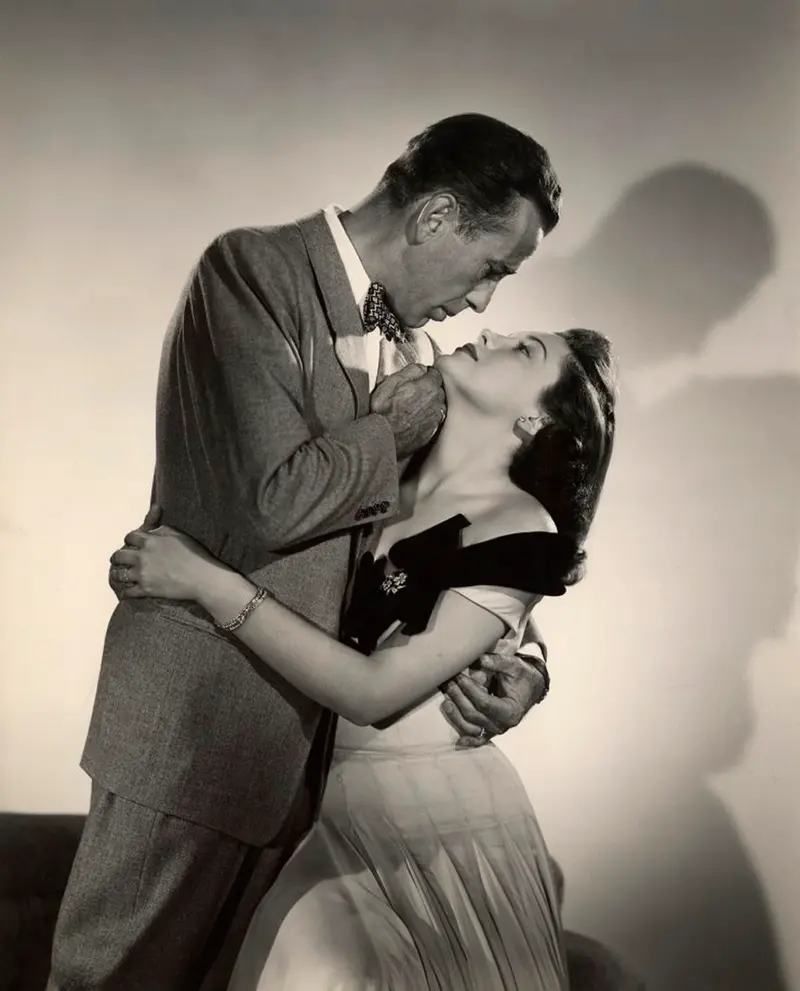
Joseph L. Mankiewicz 1954
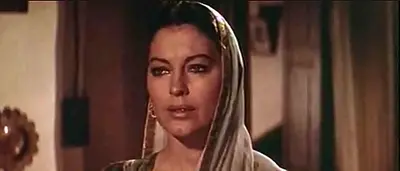
George Cukor 1956
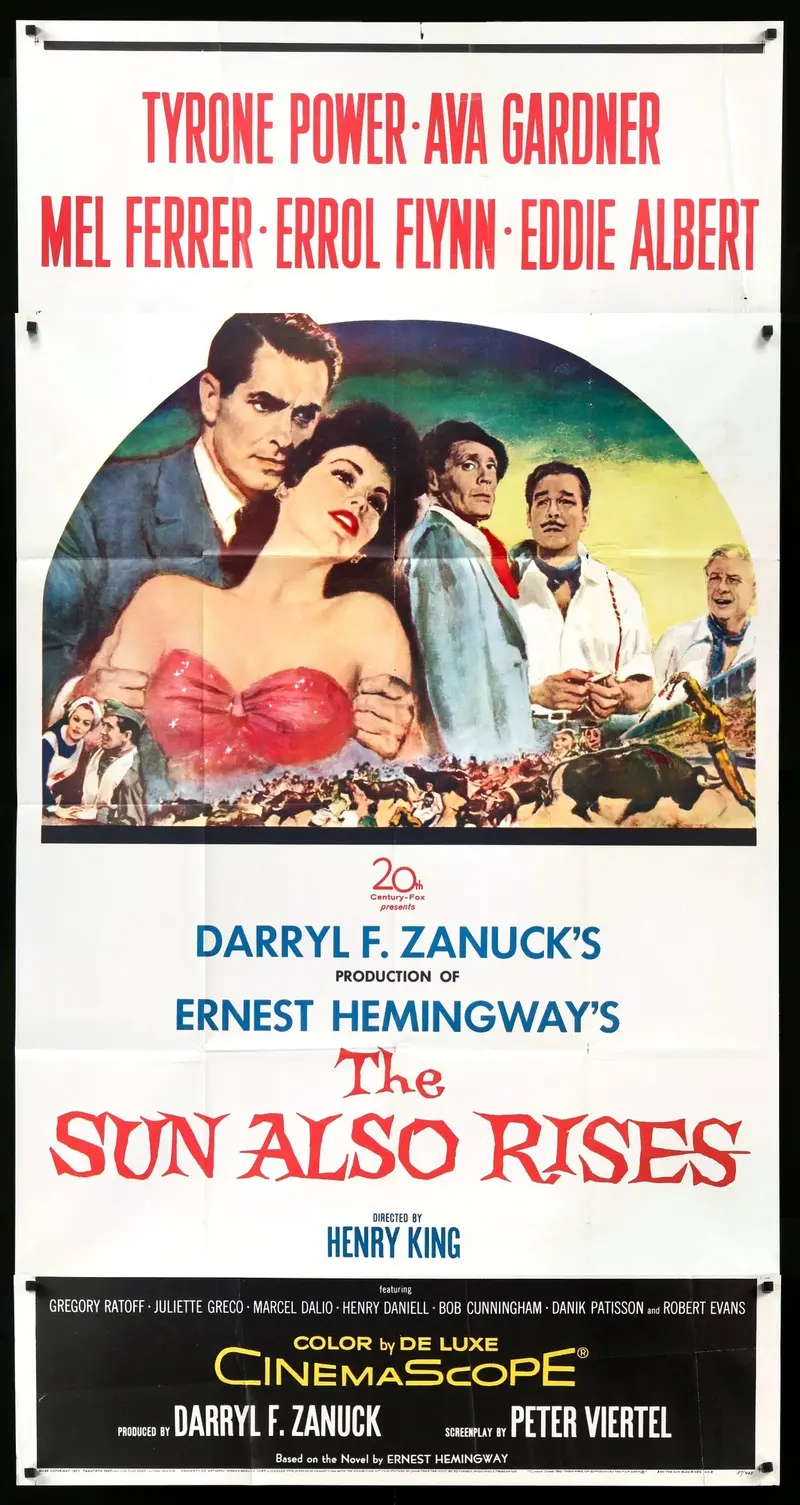
Henry King 1957
Stanley Kramer 1959
Nicholas Ray, Guy Green, Andrew Marton 1963
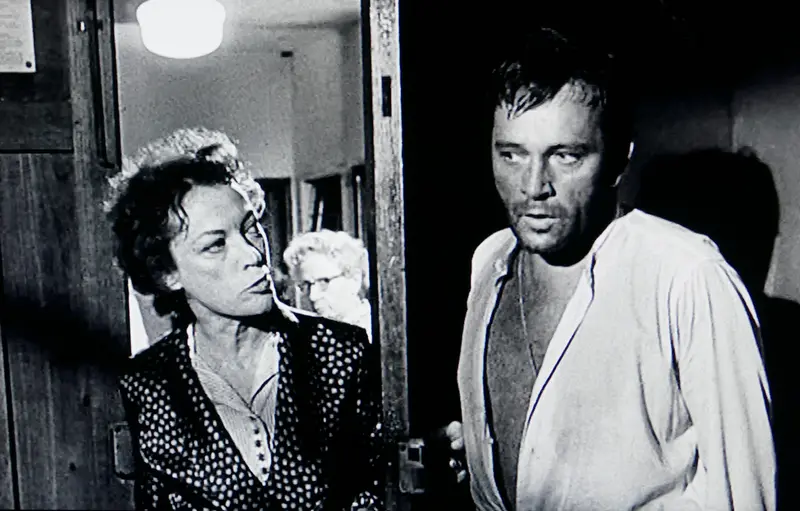
John Huston 1964
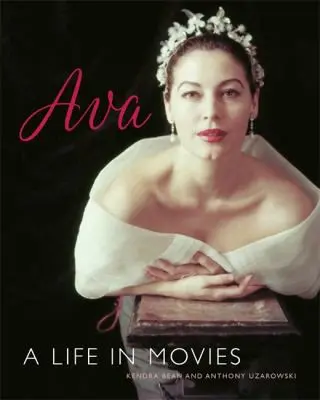
Kendra Bean · 2017
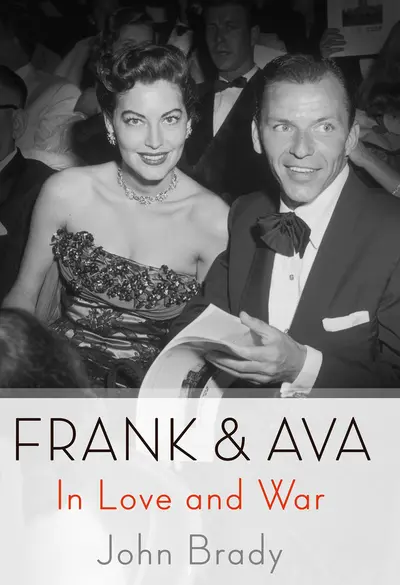
John Joseph Brady · 2015
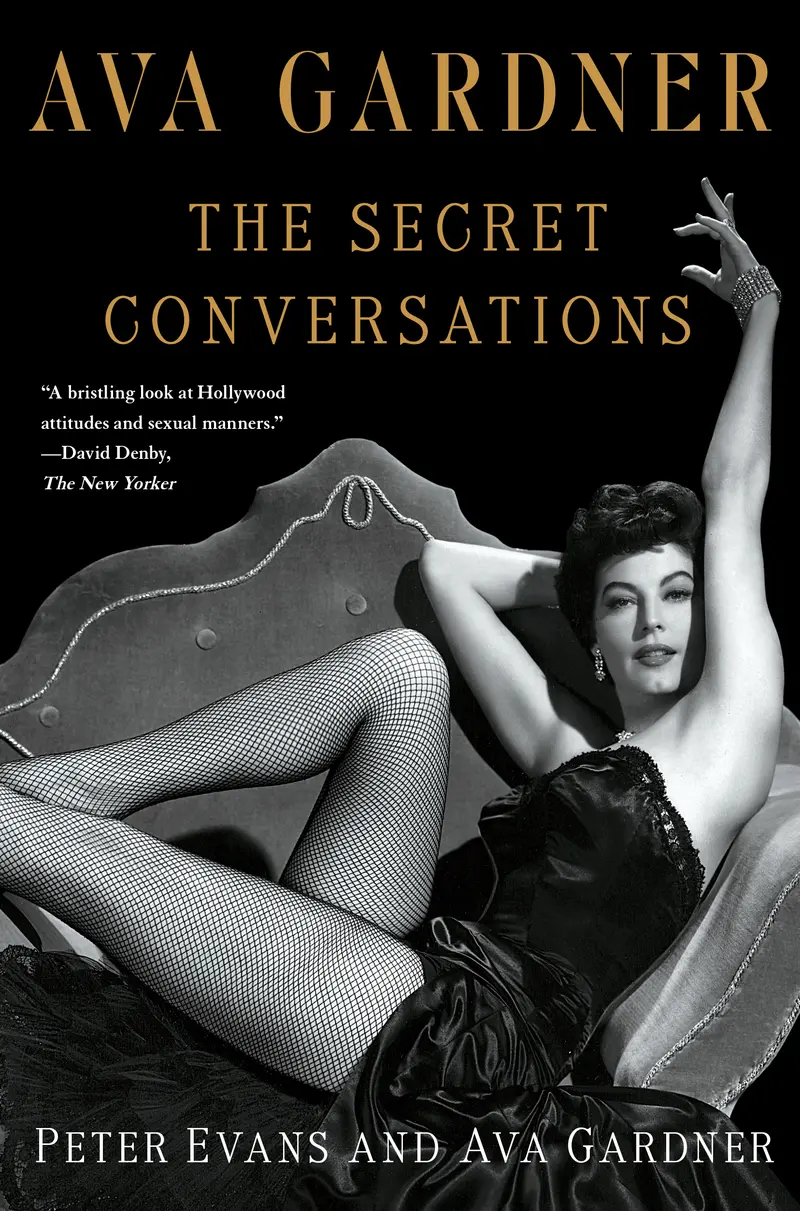
Peter Evans · 2013
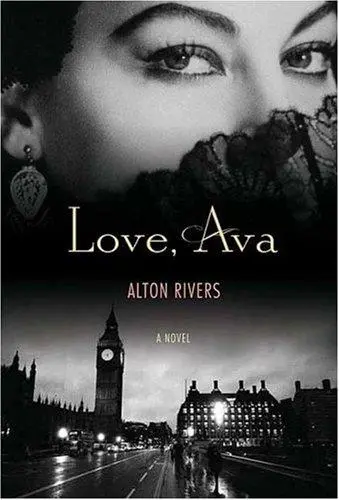
Alton Rivers · 2007
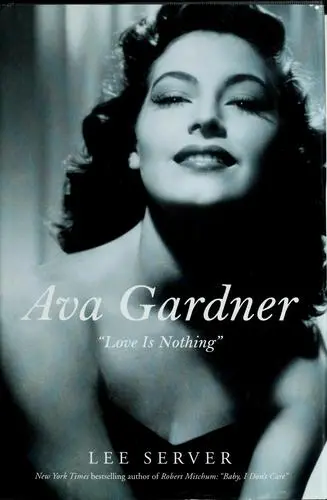
Lee Server · 2006
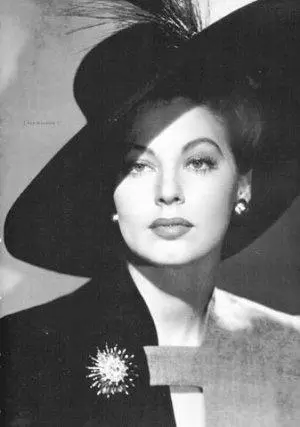
Ava Gardner · 1990
Karin J. Fowler · 1990
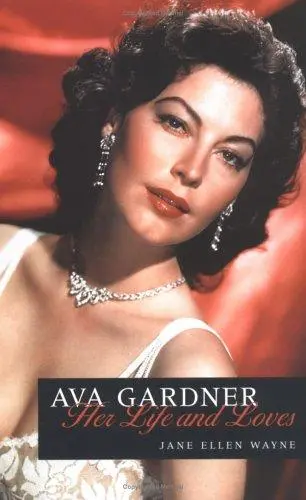
Jane Ellen Wayne · 1990
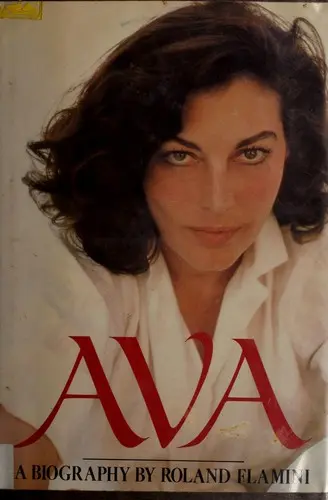
Roland Flamini · 1983
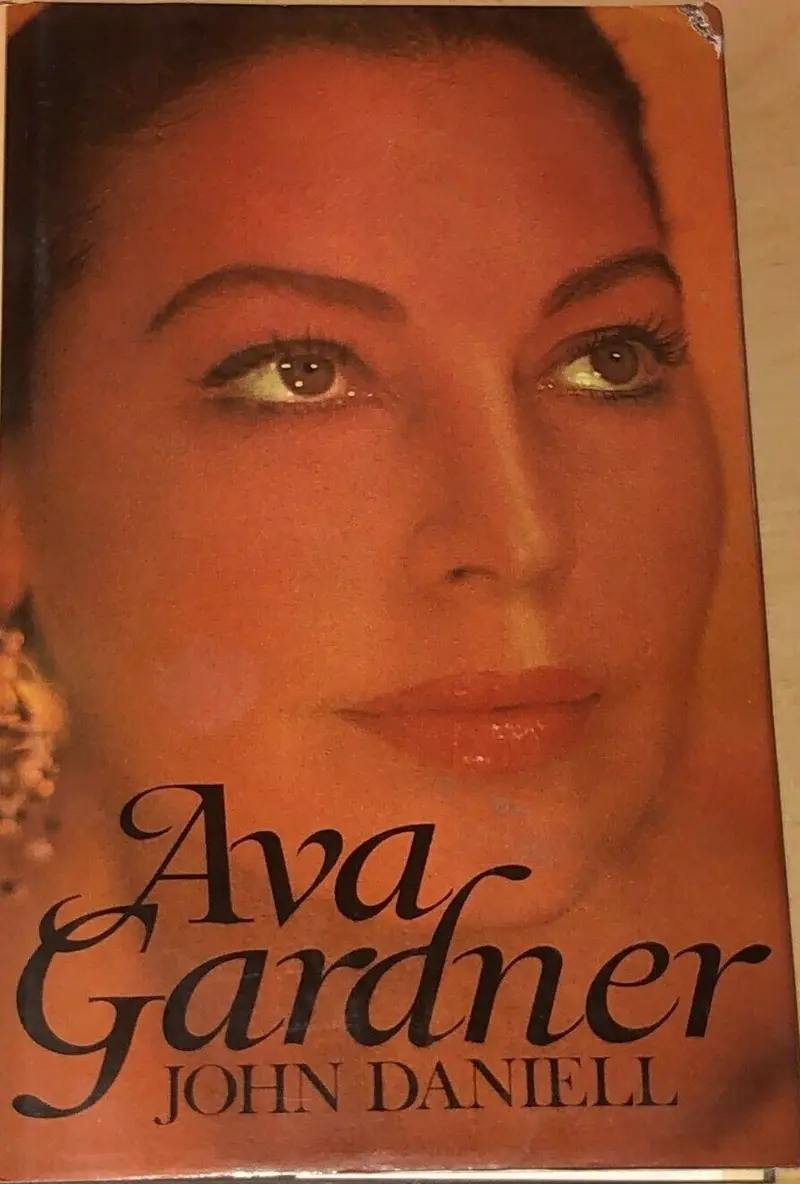
John Daniell · 1982
Judith M. Kass · 1977
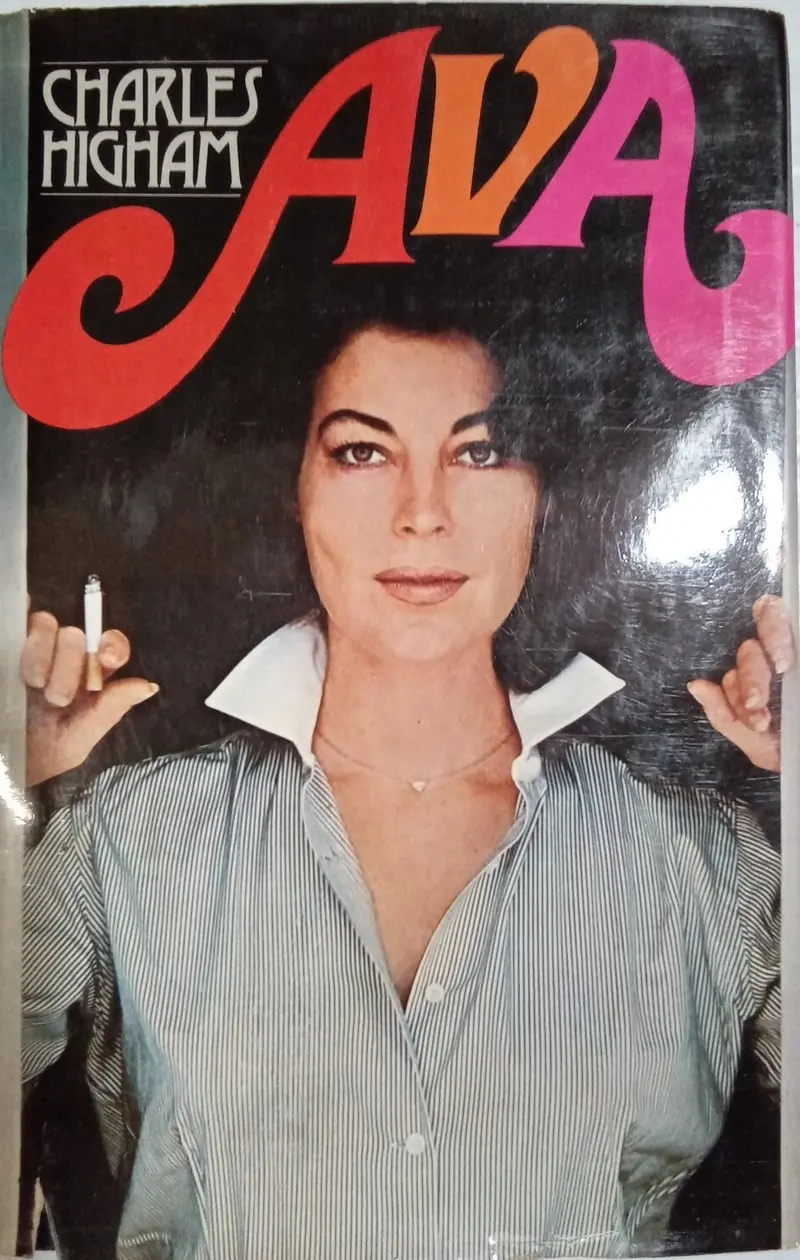
Charles Higham · 1974
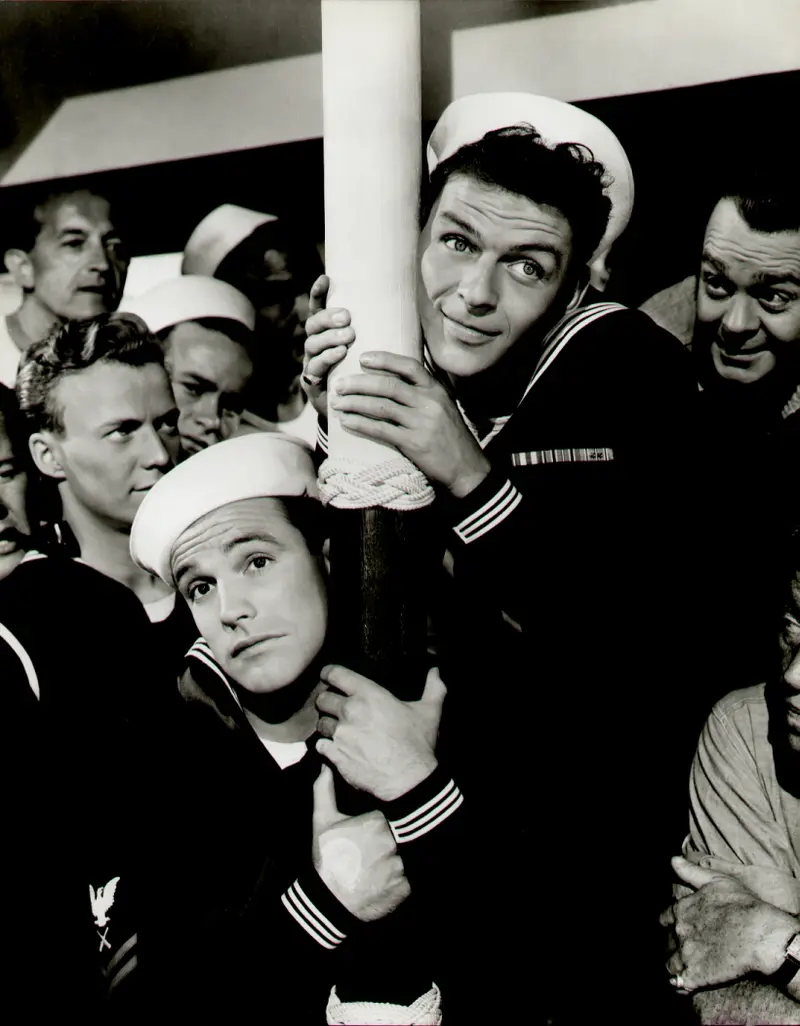
Scandals and rivalries / Ava Gardner
Gardner and Sinatra first met in 1943, when she was out at a club with Mickey Rooney. Their affair only started six years later, after a second meeting at MGM, and it ended Sinatra’s first marriage.
Continue reading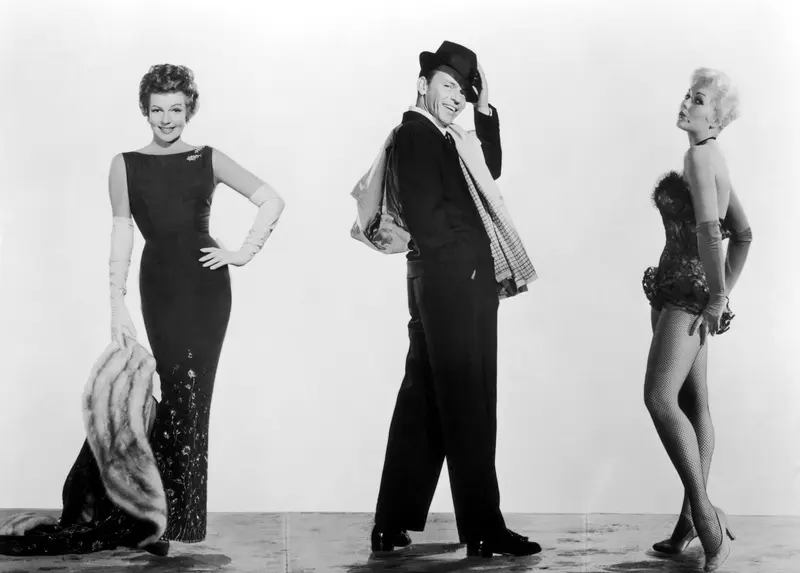
Star profile / Frank Sinatra
CNN reported in May 1998 that Frank Sinatra died of a heart attack at 82, and his family said his last words were “I’m losing.” This is the dated record of the vigil, the funeral Mass and the private burial.
Continue reading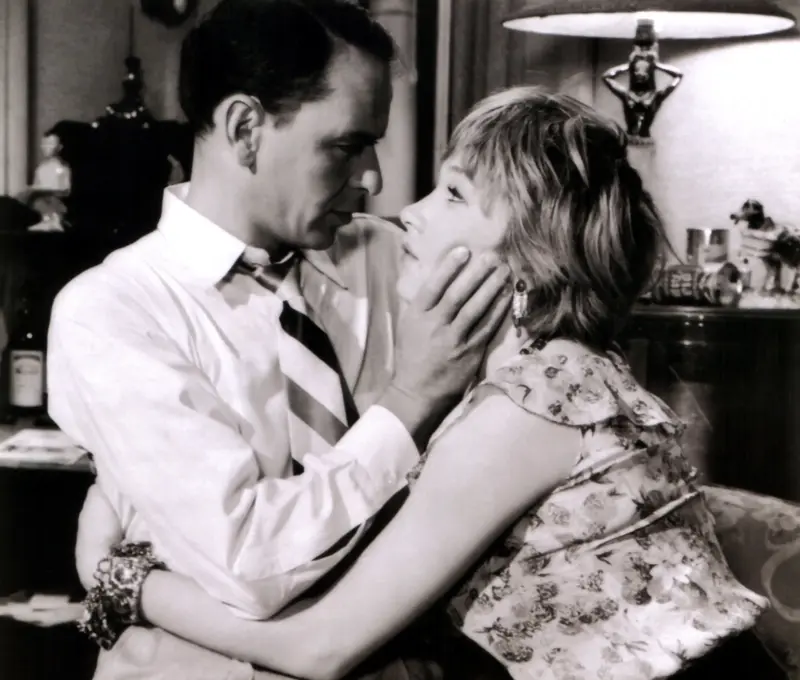
Star profile / Frank Sinatra
By 1952 Frank Sinatra had lost his record label, MCA and most of his audience. A film role and a new arranger in 1953 began a second career that ran until his death in 1998.
Continue readingWe use Google Analytics to see which pages help. Allow it?