Biography · 2006 · St. Martin's Press
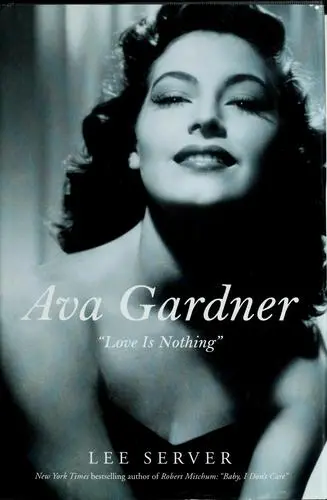
Lee Server’s Ava Gardner is a biography of the actress, published by St. Martin’s Press in 2006. Wikipedia lists it under its full title, Ava Gardner: Love Is Nothing. A Google Books record for an edition dated 1 Apr 2007 from Macmillan gives it 533 pages. The publisher’s description calls it the first full-length biography of Ava Gardner and follows her from a North Carolina farm to stardom in Hollywood. Kirkus Reviews, in its review of 18 Apr 2006, calls Server a Hollywood historian and names his earlier book, Robert Mitchum (2001).
The same description lists the settings the book covers. They are the big studios of the 1940s and 1950s, her location shoots abroad, Rome in the La Dolce Vita years, and Spain with its bullfighters and dictators. It names her three husbands, Mickey Rooney, Artie Shaw and Frank Sinatra. It also names her relationships with Hemingway, Howard Hughes, George C. Scott and the matador Mario Cabre. Open Library files the book under biography and under American motion picture actors and actresses.
The longer publisher description on the Google Books record adds stories that the book is said to tell. By its account, Ernest Hemingway kept one of her kidney stones as a keepsake, and Howard Hughes begged her to marry him, but she knocked out his front teeth instead. The same text says she pushed Sinatra close to suicide and stayed with him in memory until the end of his life. It names The Killers, The Barefoot Contessa and The Night of the Iguana as her films.
For fans
The reviews
The Kirkus review of 18 Apr 2006 says Server covers Gardner’s life and career “down to the last also-ran.” In the review’s telling, a photograph of her in a New York photographer’s window caught a passerby’s eye and then came to MGM’s attention; without it, the review suggests, she might have lived quietly as a secretary and mother in North Carolina. Kirkus says the book does not treat her as a beauty who could not act. It reports that George Cukor, directing her in Bhowani Junction, saw a power like Garbo’s in her work, that Mogambo brought her an Oscar nomination, and that critics and audiences praised her in On the Beach and Seven Days in May.
The same review says weaker pictures, which it names as 55 Days in Peking and Tam Lin, meant little to her, because love, sex and drink were at the center of her life. It lists her affairs with Hughes, a matador, several leading men and many extras, perhaps including some women, and says she kept returning to George C. Scott although he repeatedly beat her. Kirkus reports that the Ritz Hotel in Madrid banned her after she urinated in its lobby. The review closes on her last days, when, alone but at peace, she played Sinatra’s records and turned through a bundle of his love letters. The Google Books description quotes the columnist Liz Smith calling it the “most complete and engrossing biography yet” of Gardner, and “Excellent.”
The publisher’s claim and the catalog
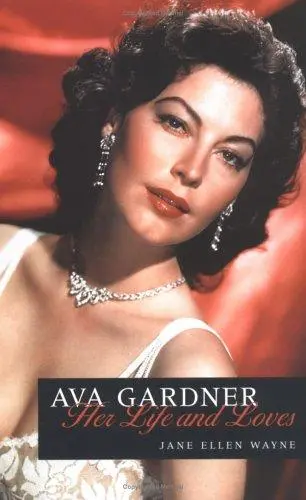
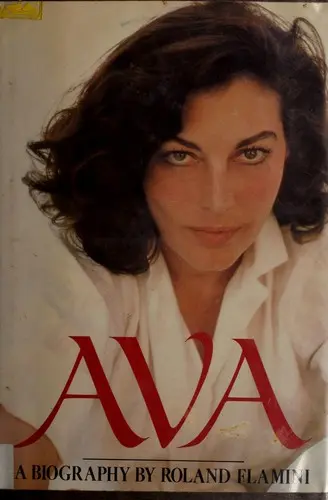
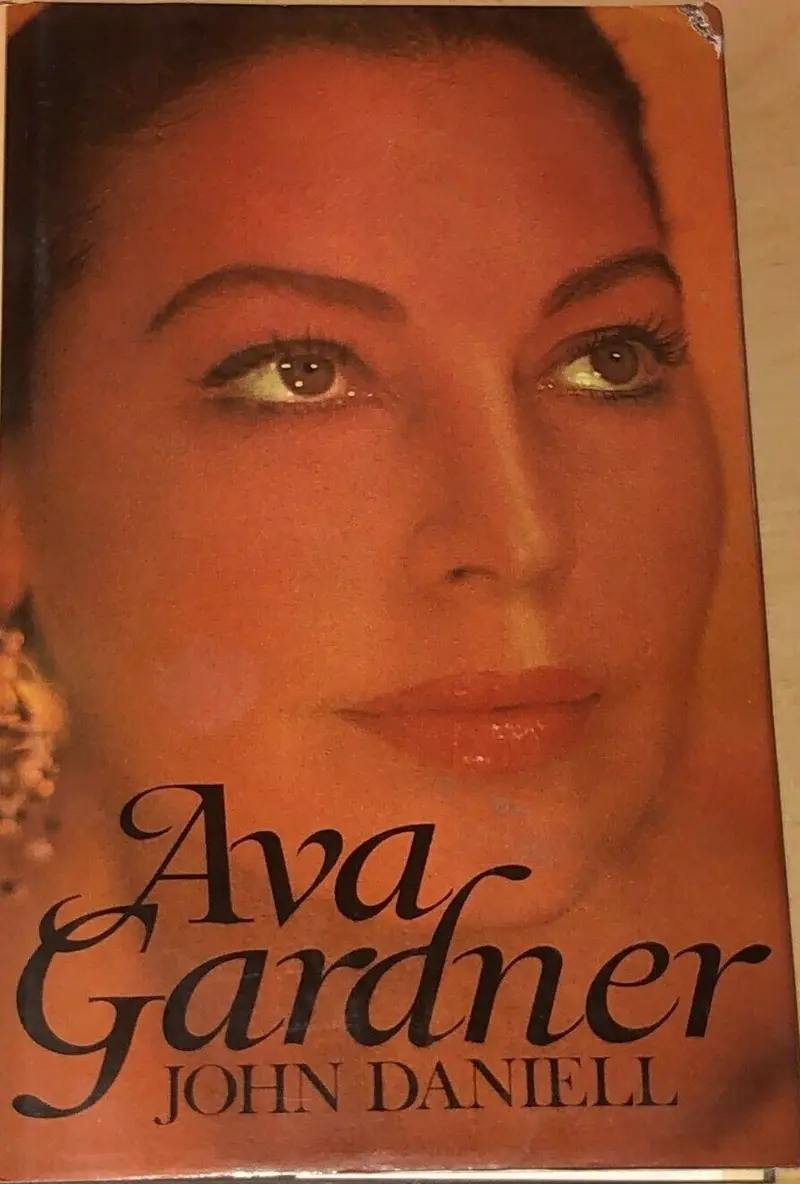
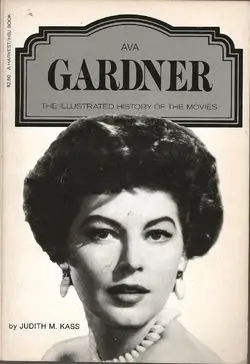
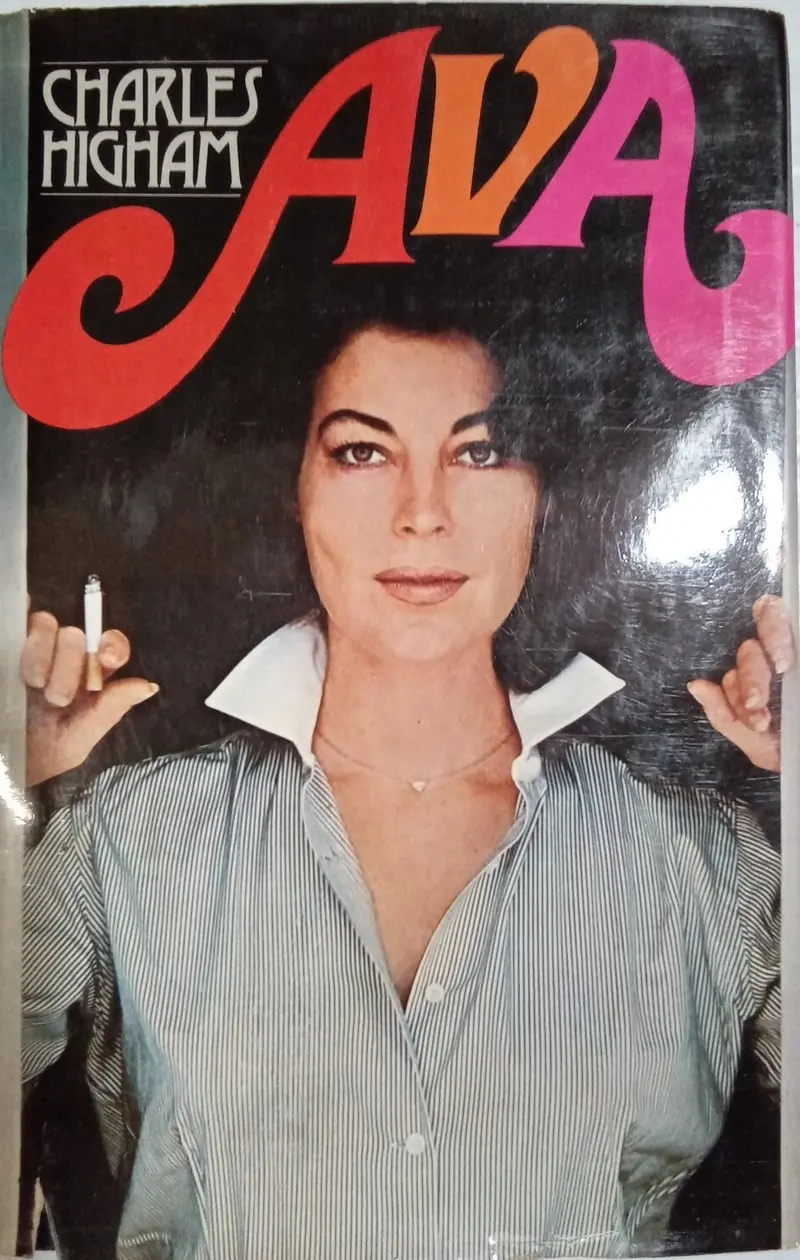
The “first full-length” claim comes from the publisher, and the Google Books text repeats it as the “first full biography.” The catalog does not fully support it. The catalog lists several earlier books classed as biographies. Charles Higham’s Ava: a life story came out in 1974, Judith M. Kass’s Ava Gardner in 1977, John Daniell’s Ava Gardner in 1982 and Roland Flamini’s Ava in 1983. Karin J. Fowler’s bio-bibliography and Jane Ellen Wayne’s Ava’s Men both came out in 1990. The Google Books record gives Server’s book 533 pages, but the catalog gives no length for the earlier books, so the record cannot settle the claim.
Among the other books
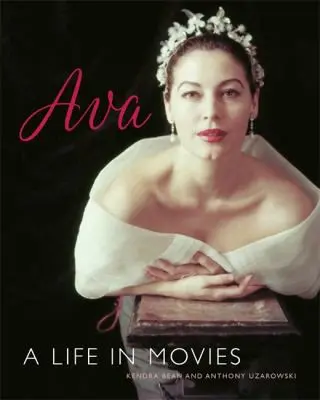
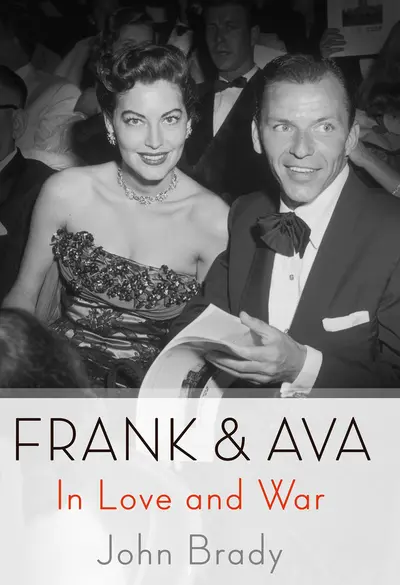
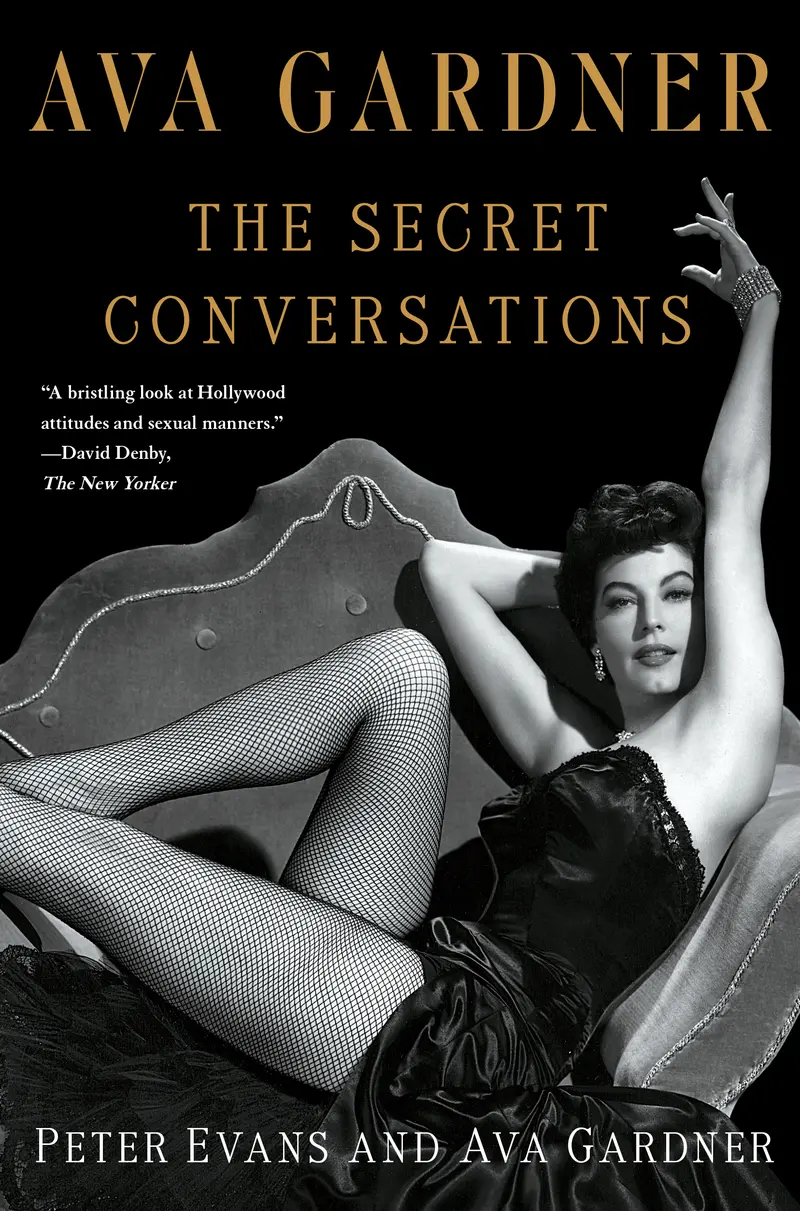
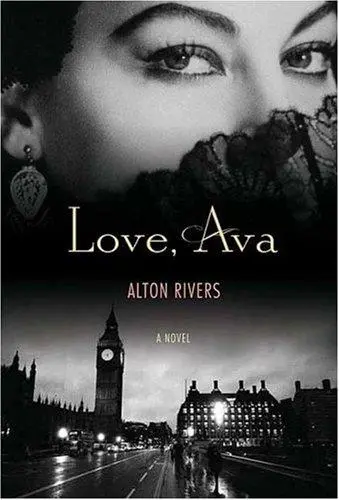
Gardner’s own memoir, Ava, appeared in 1990, so Server’s book came 16 years after her own account. Later biographies in the catalog include Peter Evans’s Ava Gardner (2013), John Joseph Brady’s Frank & Ava (2015, Thomas Dunne Books) and Kendra Bean’s Ava (2017). St. Martin’s Press also published Alton Rivers’s novel Love, Ava in 2007, a year after Server’s book, and Poisoned Pen Press published Edward Ifkovic’s novel Make believe in 2012. None of the records here describe the sources Server used.
What the articles here take from it
How Ava Gardner and Frank Sinatra met: a nightclub in 1943, then MGM in 1949 credits Server with the phrase “flash of hypnotic fire” for what MGM saw in her eyes at her New York screen test. How Ava Gardner’s character dies in The Barefoot Contessa, and how Gardner herself died in 1990 notes that The Pop History Dig relied on Server for that screen-test line and for the 1949 night in Indio with Sinatra, and that Our State also quotes him on the screen test. Why Ava Gardner left Frank Sinatra in 1953, just as his comeback began cites Server’s warning that people who were there still disagree about what happened during her two pregnancies. It also cites his account of how Sinatra was insulted when she asked in 1954 to be repaid, after which she let the divorce proceedings drop for a time.