The Barefoot Contessa
Joseph L. Mankiewicz 1954
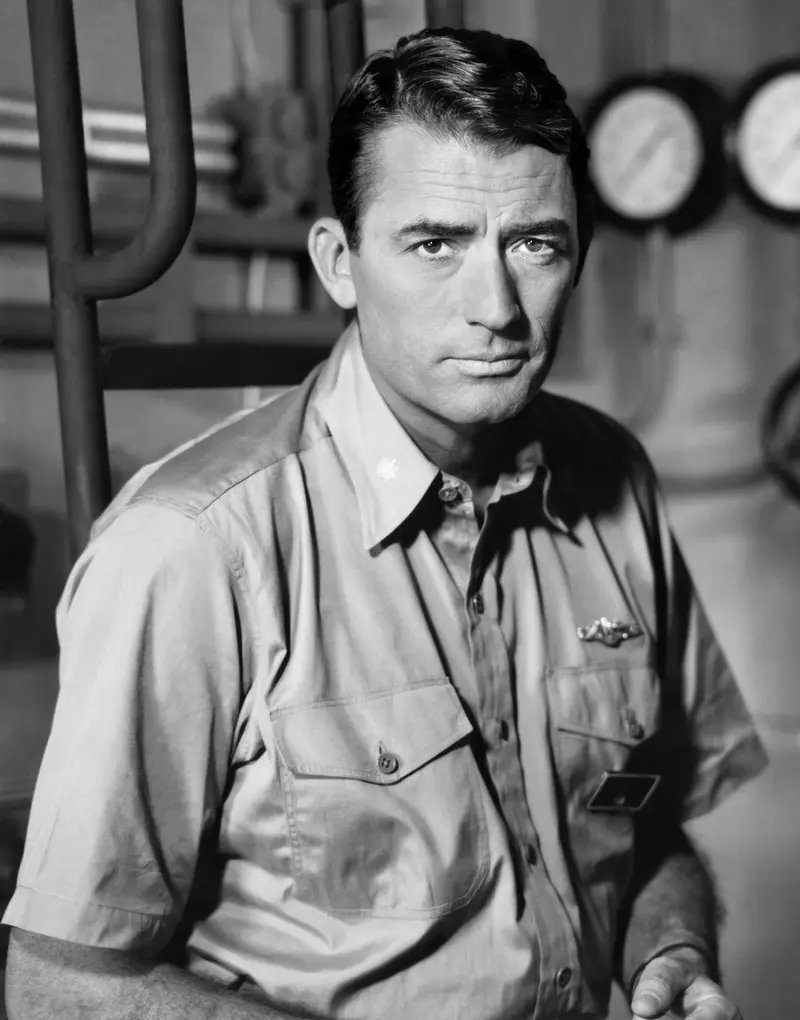
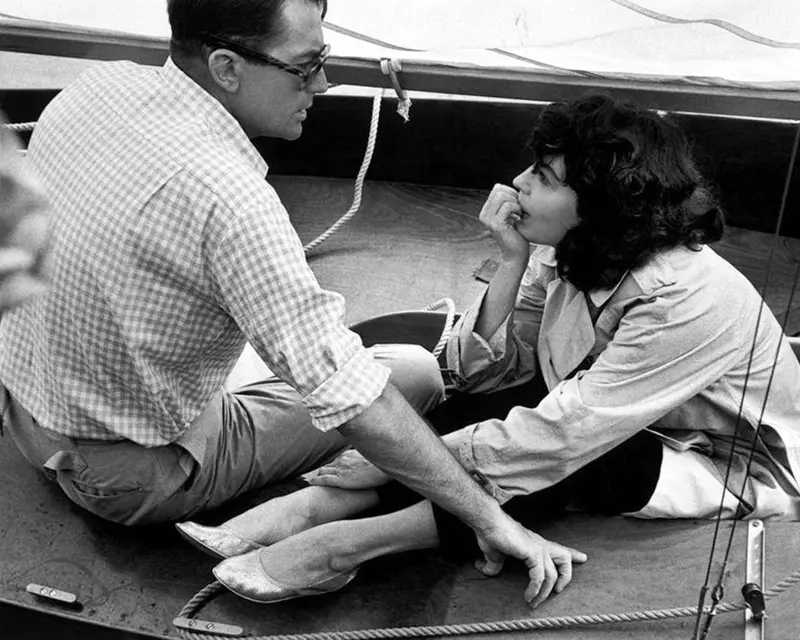
Stanley Kramer’s 1959 film of Nevil Shute’s novel follows the last survivors of a nuclear war in Melbourne as the fallout drifts south. Gregory Peck commands an American submarine, Ava Gardner plays Moira Davidson, and Fred Astaire plays a scientist in a part with no dancing. United Artists opened it in 18 cities on one day and sold it as the most important film of the age.
Photo: DoctorMacro.com
On the Beach (1959) is Stanley Kramer’s film for United Artists about the last people alive after a nuclear war. Gregory Peck plays Commander Dwight Towers of the American submarine Sawfish, Fred Astaire plays the nuclear scientist Julian Osborn in a part with no dancing, and Ava Gardner plays Moira Davidson. Donna Anderson plays Mary Holmes, the wife of Peter Holmes, the young Australian naval officer played by Anthony Perkins. Kramer produced and directed, working from Nevil Shute’s 1957 novel. A New York Times “Topics” item, reprinted in United Artists’ pressbook, said the story looks five years into the future, after nuclear war has wiped out the Northern Hemisphere and the last survivors in Australia wait for the radioactive drift.
Much of the film takes place in Melbourne. A Morse radio signal sends the submarine north, and the rest of the film follows the characters through the time they have left. Audiences came. Motion Picture Exhibitor’s Cincinnati correspondent reported in early 1960 that the opening at the Valley theater had broken attendance records, even though an influenza epidemic was going through the city at the time. Gardner’s biographical entry describes a twelve-year run of her films that began with The Hucksters (1947) and ended with On the Beach, and it names her Oscar nomination for Mogambo as the high point.
Motion Picture Exhibitor listed On the Beach as a United Artists picture in the index of its May to August 1959 volume, months before the film opened. The Cincinnati report appeared in the February to May 1960 volume. Its correspondent wrote that bad weather in the Ohio Valley and the flu epidemic had not hurt first-run attendance. The same volume printed a table of grosses city by city. It gave On the Beach $18,880 at the Astor in New York, $25,800 at the State-Lake in Chicago, $15,400 at the Palms in Detroit, $11,700 at the Goldman in Philadelphia and $6,500 at the United Artists in Louisville.
The Times item that United Artists reprinted named New York and Moscow, which it called the “emotional capitals of East and West,” among the premiere cities, and said the film opened on one day in eight languages. The pressbook describes that opening as a global premiere in 18 cities on all seven continents, and it says a full-page newspaper advertisement ran in each premiere city. The Times item said thousands of opinion leaders had already seen the film at previews, and it expected 100,000,000 people to see it within a year. The writer set that figure against the record of earlier pacifist pictures, none of which, the item said, had drawn more than 7,000,000 viewers between the two world wars, and hoped the sheer size of the audience might stop people “dancing on a tightrope across the Grand Canyon.” The pressbook itself carries a 1960 copyright.
The pressbook’s photographs show Gardner at the Rome festivities and Peck at the Moscow showing. They also show Princess Takamatsu and other members of the Japanese royal family at the Tokyo opening, and the film’s slogan on the giant sign above the Astor Theatre in Times Square. The pressbook gave exhibitors a week-by-week plan. It covered classroom discussions in schools, featurette showings for women’s clubs, a Junior Ambassador school contest, book displays in stores, a Wayne Miller photo display in the lobby and a tie-in with the Fred Astaire Dance Studios. It said a promotion in Seventeen magazine had already prepared the student audience. It quoted Representative Chet Holifield, who said the film should strengthen the country’s resolve on survival in the nuclear age, which he called “the most urgent problem of our time.” It also quoted the chemist Linus Pauling, who hoped people might one day look back on On the Beach as “the picture that saved the world.”
Bosley Crowther’s review in The New York Times said Kramer had pressed home one point above all: that life is precious and must be protected from annihilation before it is too late. Crowther praised the film’s “passionate conviction that man is worth saving.” When United Artists quoted his review in its advertisement, the sentence stopped at the words “passionate conviction.” Philip K. Scheuer of the Los Angeles Times predicted that readers would argue over the film. He still called it “an important motion picture” and praised Kramer’s “brilliant economy of statement” in showing the end of the world.
The advertisement collected notices from many cities. The Chicago Daily News called the film “Intellectually Devastating.” The Washington Daily News said it qualified at once as an epic, a classic and a monumental movie. Arthur Knight of the Saturday Review wrote that it “aims at something big” and turns out to be “something tremendous.” The Philadelphia Inquirer said it deserved first claim on that year’s Academy Awards, and the Los Angeles Herald Express ranked it among the most important pictures ever made. Abroad, the London Evening Standard called it “MAGNIFICENT,” the Melbourne Age praised its “Tremendous Power And Impact,” the Johannesburg Sunday Times called it “SPLENDID,” Stockholms Tidningen called it a “BRILLIANT MOVIE!” and the Soviet news agency Tass called it “A Great Success!”
Lawrence Johnston, a Melbourne filmmaker, made the 2013 documentary Fallout about Shute’s life and Kramer’s production, with interviews of Donna Anderson, Kramer’s wife Karen and Shute’s daughter. Southern Star Productions had remade the story as an Australian television film in 2000, with Bryan Brown, Armand Assante and Rachel Ward under the direction of Russell Mulcahy, and moved the setting to 2005. Mick Jagger saw On the Beach in Australia while he was making Ned Kelly, and it led him to write the words of “Gimme Shelter.” Frank Chacksfield’s orchestral recording of the love theme reached number 47 on the Billboard Hot 100 in 1960.
Later accounts record that the reviews were mixed overall and that the film lost $700,000, and Rotten Tomatoes now counts 77 percent of 26 critics’ reviews as positive. The film won a “United Nations Award” at the British Academy Film Awards and a Japanese Blue Ribbon Award. Ernest Gold’s score won the 1960 Golden Globe and was nominated for an Oscar, as was the editing. Astaire was nominated for a Golden Globe for best supporting actor and lost to Stephen Boyd for Ben-Hur.
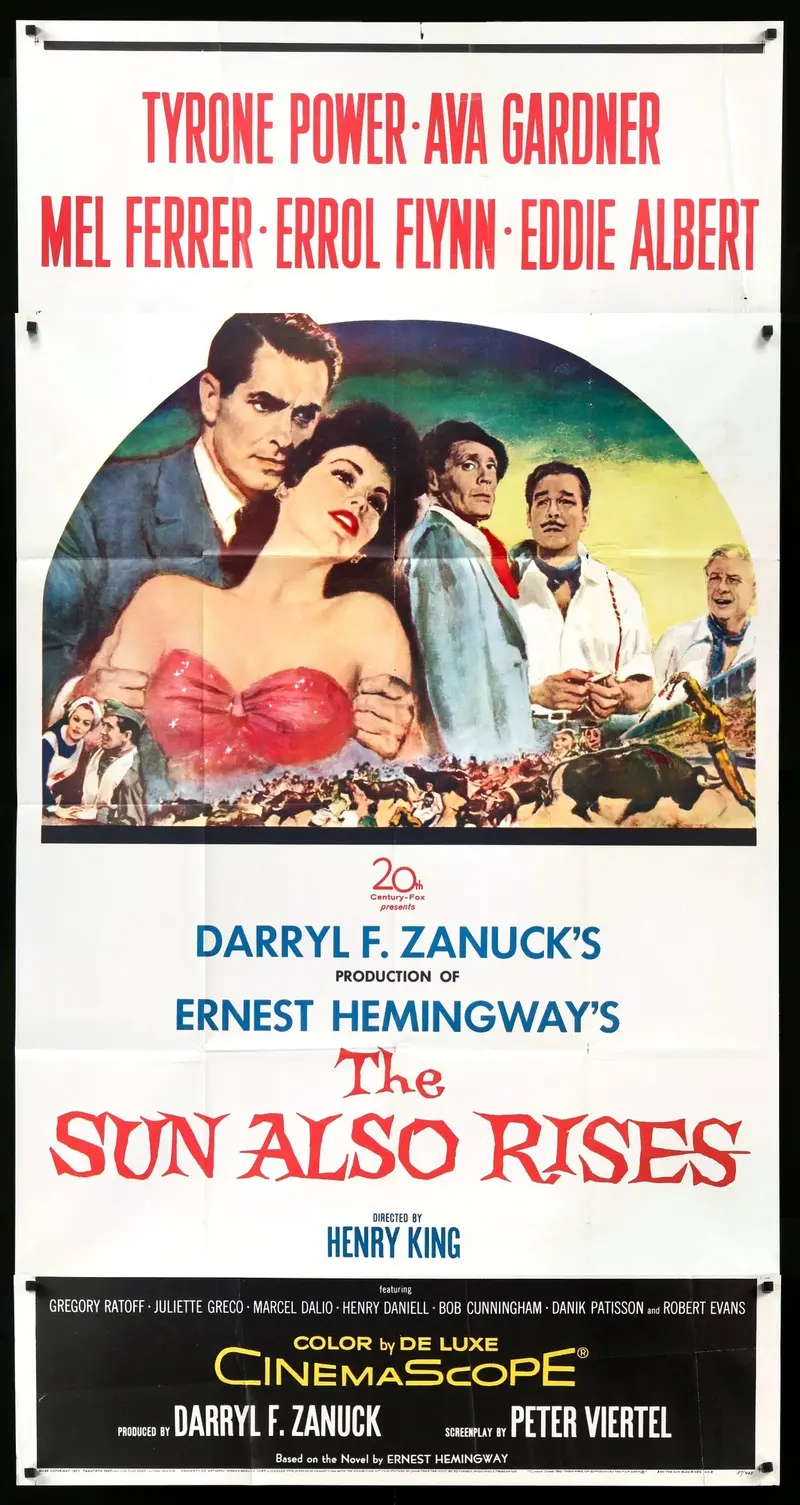
The same accounts say Peck and his wife attended a special premiere in Moscow, although the film had no commercial release in the Soviet Union, and that it was screened at Little America in Antarctica. Cary Grant joined Kramer, Perkins and Astaire at the Hollywood premiere. These accounts date the opening to December 17, 1959, in 18 theaters. The Fontana Sisters, who had dressed Gardner for The Sun Also Rises and The Barefoot Contessa, made her wardrobe for this film in Rome. The best-known remark from the shoot is a legend. Gardner is supposed to have called Melbourne “the perfect place” to film the end of the world, but Neil Jillett, a journalist at The Sydney Morning Herald, made the line up, and it passed quickly into local folklore.
Ken Miles and Chuck Stevenson were among the drivers in the Grand Prix sequences, which were filmed at Phillip Island and at Riverside Raceway in California. Melbourne had no conventional studio, so the production leased the Melbourne Showgrounds and built sets, including the submarine interiors, in the Government Pavilion. The Royal Australian Navy supplied resources, among them the use of HMAS Melbourne, and the naval base exteriors were shot at Williamstown Naval Dockyard. The British submarine HMS Andrew stood in for the Sawfish, because the U.S. Department of Defense would not cooperate and kept its nuclear-powered submarines off limits. Beach scenes were shot at Canadian Bay Beach in Mount Eliza, and other scenes in Frankston and Berwick, where new streets were named Kramer Drive and Shute Avenue. Principal photography ran from January 15 to March 27, 1959.
Unlike the novel, the film blames no country for the war and puts it down to fear made worse by accident or misjudgment, and it shows San Francisco standing where the book has it destroyed. Shute worked with Kramer at first and then gave the production little help. He disliked the finished film because the romance between Towers and Moira destroyed something the novel depended on, which was Towers’ loyalty to his dead wife.
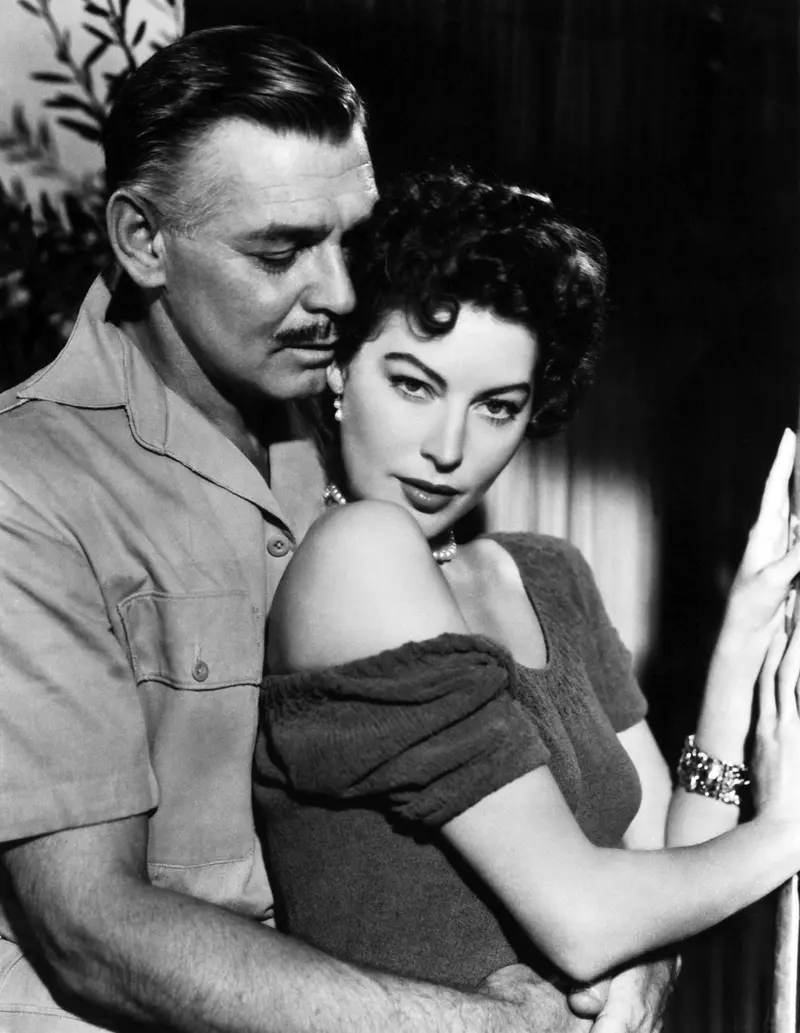
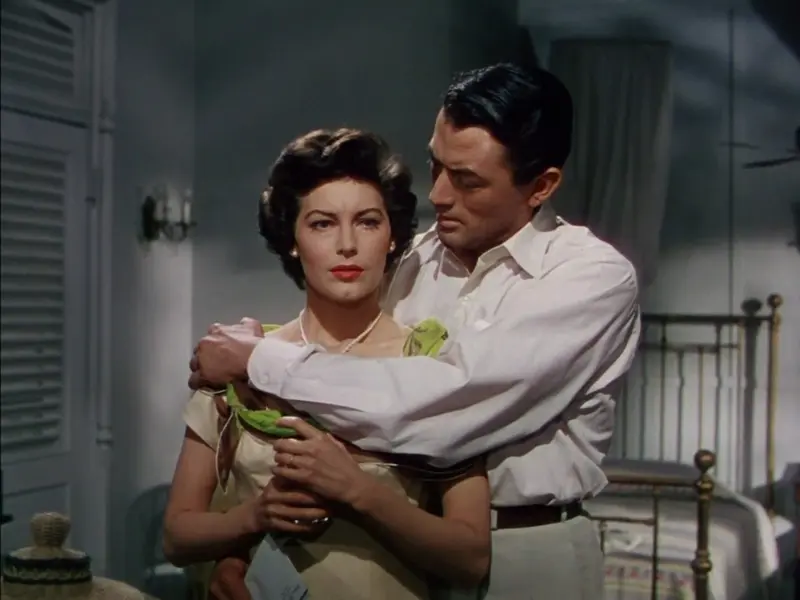
Peck and Gardner first worked together in The Great Sinner (1949), according to Peck’s biographical entry, and also starred in The Snows of Kilimanjaro. Peck later named her as his favorite co-star, and when she died in 1990 he took in her housekeeper and her dog. For Gardner’s side of these years, see Lee Server’s biography Ava Gardner and her own memoir, Ava.
On the Beach was filmed mainly in and around Melbourne, Australia, with sets built in the Government Pavilion at the Melbourne Showgrounds because the city lacked conventional studio facilities. Locations included Mount Eliza, Frankston and Berwick, and some racing scenes were shot at Riverside Raceway in California. Principal photography ran from January 15 to March 27, 1959.
On the Beach is about the last survivors of a nuclear war, waiting in Melbourne in 1964 as the fallout drifts south. Gregory Peck’s submarine commander sails north to trace a Morse signal from the region of San Diego, and Ava Gardner’s Moira Davidson falls in love with him.
On the Beach is about how people spend the time they have left after a third world war kills everyone in the Northern Hemisphere. Unlike Nevil Shute’s novel, the film blames no nation for the war. United Artists’ pressbook quoted Linus Pauling, who hoped it might be remembered as “the picture that saved the world.”
We use Google Analytics to see which pages help. Allow it?