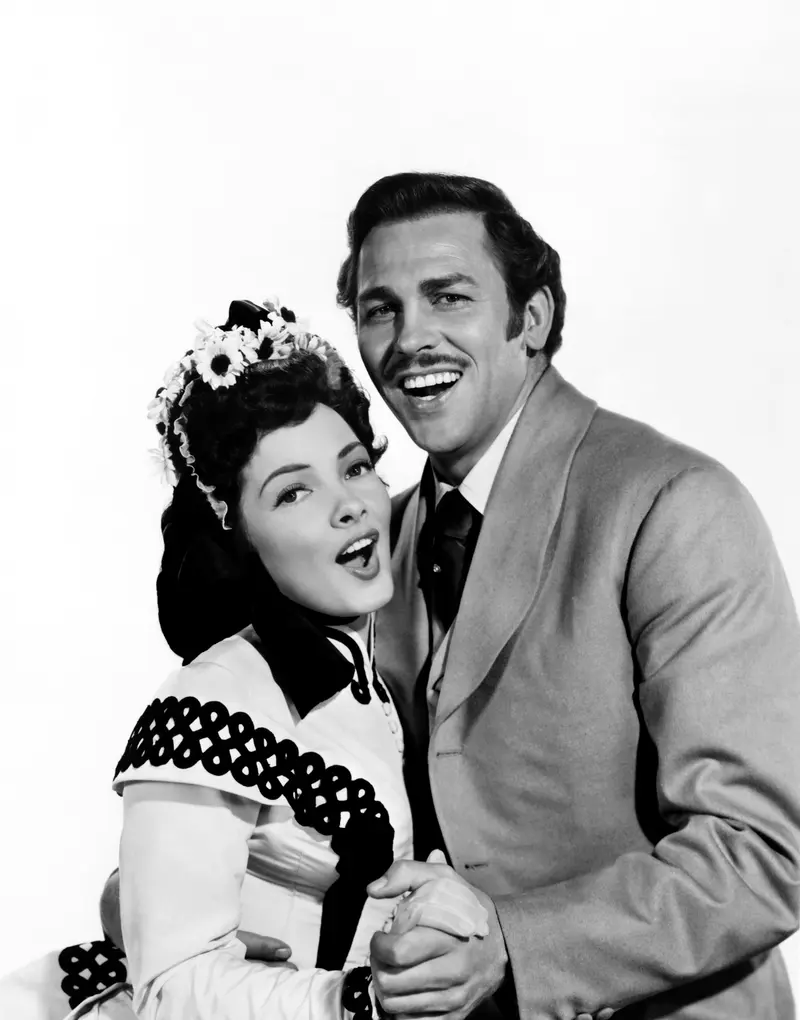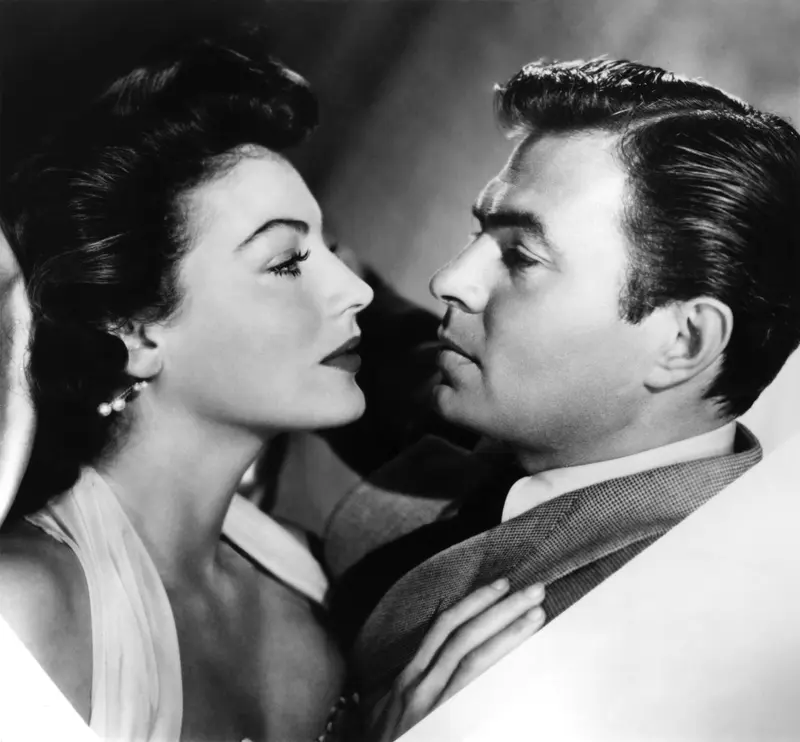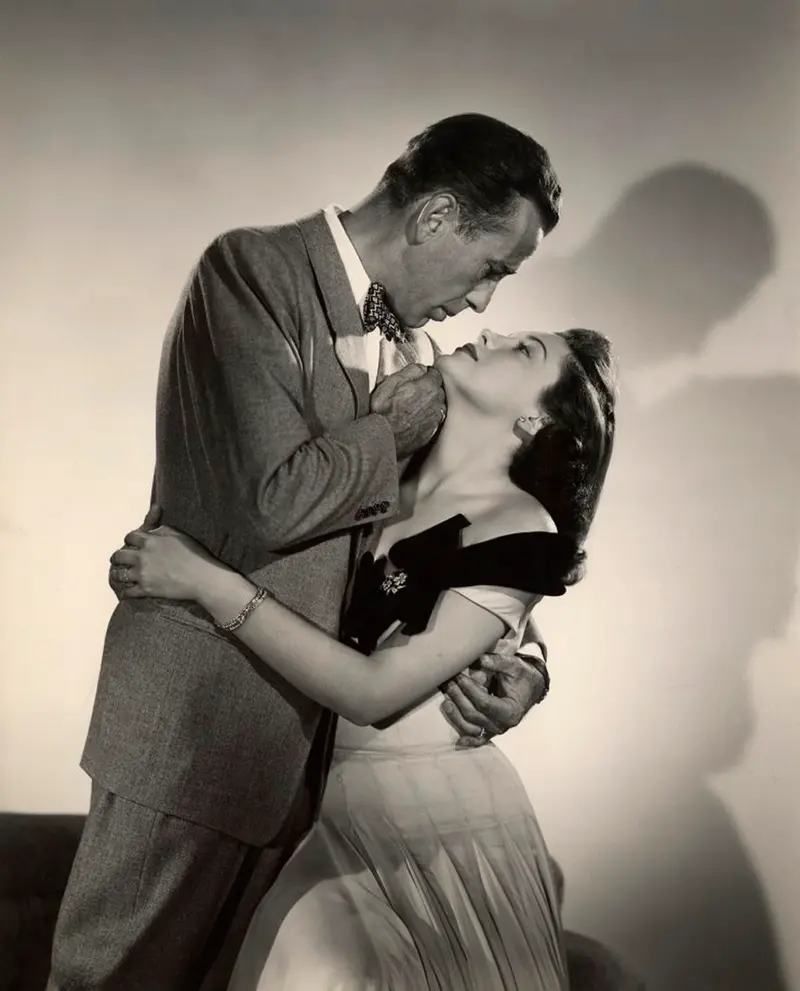
The Barefoot Contessa
Joseph L. Mankiewicz 1954
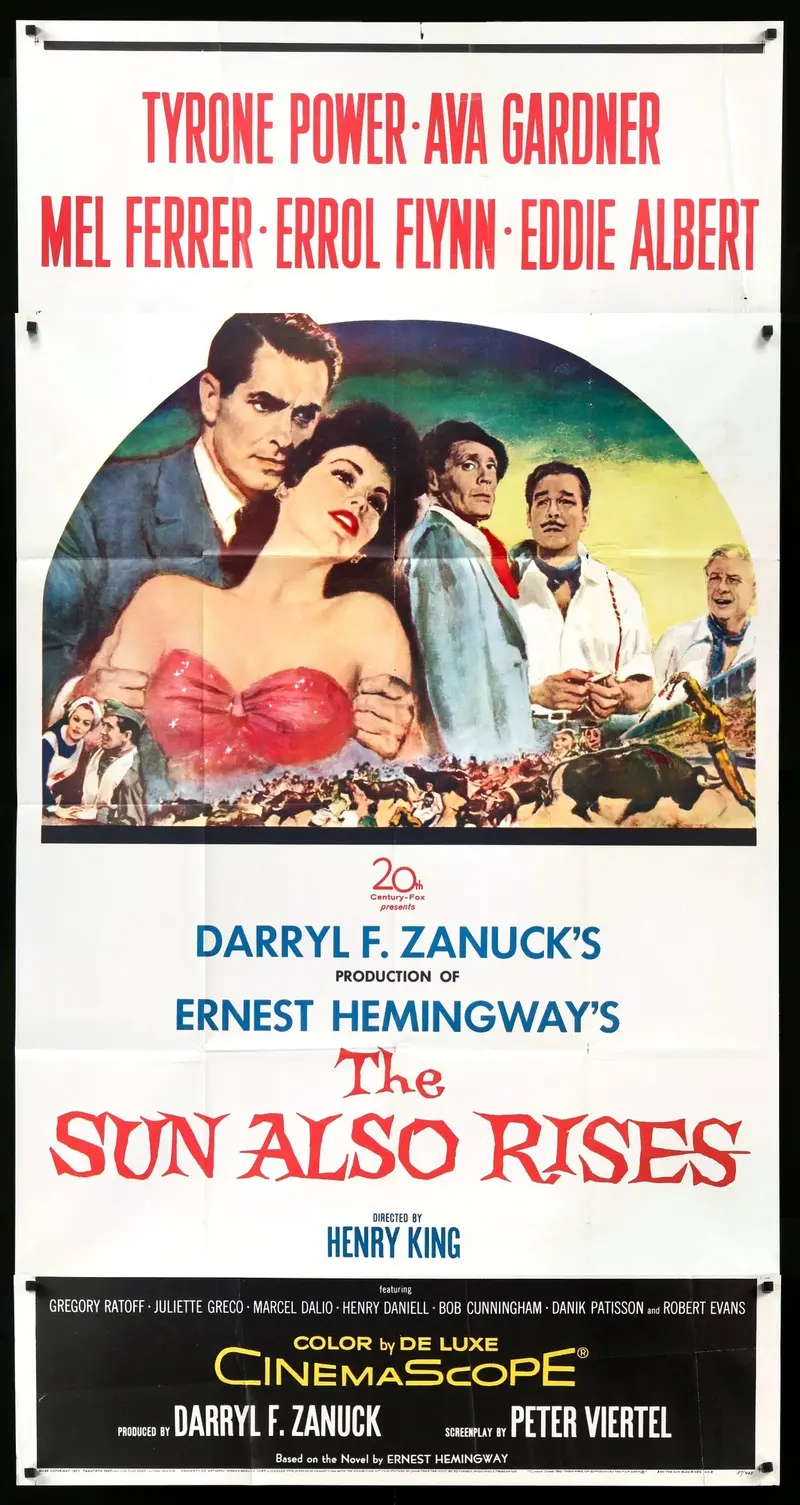
Henry King’s 1957 film of Ernest Hemingway’s 1926 novel, also released as ¡Fiesta!, follows American expatriates living loosely in France and Spain after World War I. Tyrone Power plays the war-wounded Jake Barnes, Ava Gardner plays Lady Brett Ashley and Mel Ferrer plays Robert Cohn. It was shot in CinemaScope and DeLuxe color, and the running of the bulls at Pamplona is a highlight.
Not listed on Amazon right now. Search Amazon for it.
Poster: Original Film Art
The Sun Also Rises (1957), also released as ¡Fiesta!, is Henry King’s film of Ernest Hemingway’s 1926 novel, produced by Darryl F. Zanuck from a Peter Viertel screenplay and released by 20th Century Fox. Tyrone Power plays Jake Barnes, Ava Gardner plays Lady Brett Ashley and Mel Ferrer plays Robert Cohn. Film Culture’s November 1957 review names Errol Flynn as Mike and Eddie Albert as Bill, and Gregory Ratoff, Juliette Gréco, Marcel Dalio and Henry Daniell complete the billed cast.
The Film Daily review, reprinted in Canadian Film Weekly on 23 Oct 1957, summed up the story as a man left impotent by war wounds and his seemingly hopeless attachment to Lady Brett, set among the Anglo-American crowd that stayed on the continent after the war. The same review listed the running time as 129 minutes. The picture was made in CinemaScope and DeLuxe color, with location work in France, Spain and Mexico.
In accounts of Power’s career it stands as his final film for Fox, a lead Zanuck persuaded him to accept, and one of eleven films King directed him in. Summaries of Gardner’s career place it within the twelve years running from The Hucksters (1947) to On the Beach, a stretch whose peak was her Oscar nomination for Mogambo. For Ferrer it was one of two Fox films, the other being Fräulein (1958). The film took in $3 million in its first year of release.
Motion Picture Exhibitor’s service section for July to October 1957 listed the film with Gardner billed first, ahead of Power, Flynn and Ferrer, and coded it as DeLuxe Color and CinemaScope. Canadian Film Weekly ran the Film Daily notice in its “Pick of the Pictures” column on 23 Oct 1957. Its headline credited Zanuck with bringing a production genius to Hemingway’s novel that matched the book, and called the picture “superbly cast and brilliantly presented.” The reviewer listed its selling points as the star names, the Zanuck and King team, Hemingway’s literary reputation, and settings in Paris, the French Riviera, Spain and Mexico. Viertel’s adaptation, the review said, stayed faithful to the novel. Leo Tover’s camera work was credited with catching the feel of the period and the places, and Hugo Friedhofer’s score was rated outstanding. The closing verdict line read “Brilliant” for the direction and “Superb” for the photography.
Peter Walsh, writing in Film Culture in November 1957, took the opposite view. He granted that the plot and most of the dialogue had survived, but argued that the film held on to Hemingway’s words while losing the book’s mood. Walsh called King “a director of indifferent technique” and said he had repeated the faults of The Snows of Kilimanjaro by drawing “unduly expressive readings” out of lines that work through understatement. He judged Gardner “a logical choice” for Brett and the only player who seemed to belong in the Twenties, while Power, Ferrer, Flynn and Albert struck him as too old for the parts. His overall verdict was “an honorable failure.” He gave the film credit for speaking openly of impotence and nymphomania, though he thought The Barefoot Contessa had handled those themes earlier and with more taste. In his reckoning, only the opening of The Killers and the middle of The Macomber Affair had yet done Hemingway justice, and he questioned why Fox gave the property to King while John Huston was making Heaven Knows, Mr. Allison.
Later accounts record that Hemingway saw the film and walked out. He called it disappointing, mocked the use of Mexico to stand in for Pamplona, complained that the bulls were small, and said the best thing in it “was Errol Flynn.” Zanuck replied that it was a poor thing to say before the reviews appeared. He said that over 60% of the dialogue came from the book, that “We treated it as something Holy,” and that Hemingway had seen the script and made changes to it. He added that he doubted Hemingway had watched the picture at all. Flynn’s performance was widely praised, and the praise led to a series of parts as alcoholics. The modern magazine Filmink later called much of the handling “wrong, wrong, wrong” and the treatment “too reverential” for a story that needed living people.
Jennifer Jones was first signed as Brett but left to make A Farewell to Arms for her husband, David O. Selznick. Gardner was then announced, withdrew for a William Wyler project, and was replaced by Susan Hayward, until Hemingway insisted on Gardner and Zanuck signed her. Gardner called Brett “the most interesting character” she had played. Ferrer and Audrey Hepburn heard Gréco singing in a cafe, and she was given a part. The most retold story concerns Robert Evans, a suit salesman Zanuck spotted at El Morocco and cast as the bullfighter Pedro Romero over the objections of Gardner, Power and Hemingway. Evans, later a producer, took the title of his 1994 autobiography, The Kid Stays in the Picture, from Zanuck’s ruling. Zanuck blamed Gardner’s casting for moving the start from September 1956 to February 1957, which meant Pamplona was out unless, in his words, they wanted a fiesta in the snow, so the fiesta was staged in Mexico, with filming opening in Morelia in March 1957.
The screen rights had been sold in the late 1920s for a reported $10,000 and passed to Hemingway’s first wife, Hadley Richardson, at their divorce, so he never profited from them. When Zanuck acquired them in 1955, they were valued at about $125,000. Viertel said the years since publication would not cost the book its force: “The story is ageless.” James Goldstone directed a second version, a two-part miniseries for American television, in 1984. Gardner’s own account is in her memoir Ava, Lee Server’s Ava Gardner is the fuller biography, and the Ava Gardner page covers the rest of her work.
Yes, according to the Film Daily review reprinted in Canadian Film Weekly on 23 Oct 1957, which rated the direction brilliant and the photography superb. Peter Walsh in Film Culture (November 1957) disagreed. He called the film an honorable failure and found most of the cast too old for their parts, Ava Gardner excepted.
The Sun Also Rises is Hemingway’s treatment of the Lost Generation, the Anglo-American set that stayed in Europe after World War I. Peter Walsh wrote in Film Culture in November 1957 that what matters to Hemingway (love, sex, death and courage) is rarely said aloud but always understood. He faulted the 1957 film for spelling it out.
Yes, judging by its period reputation. The Film Daily review of the 1957 film noted that the story had been called Hemingway’s best, and Film Culture wrote that the once-controversial novel had outlived its censors. Peter Viertel, who adapted it, called the story ageless.
We use Google Analytics to see which pages help. Allow it?